

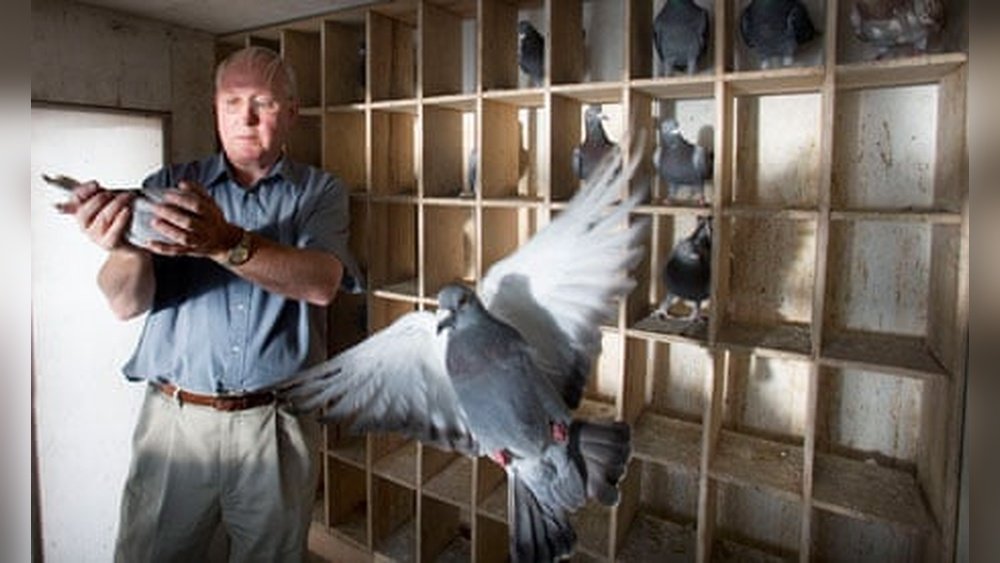
Have you ever wondered what racing pigeons actually do? These incredible birds aren’t just ordinary pigeons—they are trained athletes of the sky, built for speed and precision.
When you watch a race, it’s not just about flying; it’s about navigation, endurance, and the deep bond between the pigeon and its owner. You’ll discover how racing pigeons find their way home from miles away, what makes them so special, and why people around the world are still passionate about this unique sport.
Ready to unlock the secrets of these feathered racers? Let’s dive in.
Racing Basics
Racing pigeons are trained to fly back home over long distances. The sport tests their speed and navigation skills. Each race involves careful planning and timing. Understanding the basics helps appreciate the effort behind each race.
How Races Work
Racing pigeons start from a common release point. They must fly back to their home lofts. The goal is to arrive as fast as possible. The birds rely on natural instincts and training. Owners prepare them with regular exercise and care.
Starting Point And Distance
Races begin at a specific location far from the home loft. Distances vary from short to very long flights. Some races cover 100 miles or more. The starting point is chosen to challenge the pigeons. It tests their endurance and homing ability.
Timing And Scoring
Each pigeon wears a small electronic or band tag. These tags record the exact arrival time at the loft. Officials calculate the speed based on distance and time. The fastest bird wins the race. Accurate timing ensures fair competition for all racers.
Pigeons’ Skills
Racing pigeons have amazing skills that make them stand out. Their abilities help them fly long distances and find their way home. These skills have been developed through years of breeding and training. Understanding these skills shows why pigeon racing is so popular.
Each skill plays a special role in their success. The homing instinct guides them back. Their navigation methods help them avoid getting lost. Speed and endurance allow them to race hard and fast.
Homing Instinct
Homing instinct is the natural ability to return to their home loft. Racing pigeons use this skill to find their way back over hundreds of miles. This instinct is strong and helps them avoid dangers along the way. It is the core skill that makes pigeon racing possible.
Navigation Methods
Pigeons use many ways to navigate. They can see the Earth’s magnetic field like a natural compass. They also use the sun to guide their flight during the day. Landmarks like rivers and roads help them stay on track. These combined methods make their navigation very accurate.
Speed And Endurance
Speed is important in racing, but endurance matters too. Pigeons must fly fast and keep going for hours. Their muscles and wings are built for long flights. Good stamina helps them win races over long distances. Training increases their speed and strength steadily.
Training Methods
Training methods shape the success of racing pigeons. These birds need careful preparation to perform well. Trainers focus on building strength, refining flight skills, and maintaining health. Each step ensures pigeons can race long distances and return home quickly.
Conditioning Techniques
Conditioning strengthens the pigeons’ muscles and stamina. Trainers gradually increase flight distances to build endurance. Regular exercise sessions improve speed and control. Rest days help pigeons recover and avoid injury. Consistent conditioning prepares birds for race demands.
Flight Practice
Flight practice teaches pigeons navigation and speed. Birds are released from various locations to hone their homing skills. Short flights turn into longer journeys over time. Trainers observe flight patterns and adjust training accordingly. This practice builds confidence and sharpens instincts.
Diet And Care
Proper diet fuels performance and recovery. Racing pigeons eat grains, seeds, and supplements for energy. Clean water is essential for hydration. Regular health checks prevent disease and detect issues early. Comfortable lofts provide safety and rest for the birds.
:max_bytes(150000):strip_icc()/102125380-2000-834f584b64884bc9be28634f25886493.jpg)
Credit: www.agriculture.com
Breeding And Lineage
Breeding and lineage play a vital role in the world of racing pigeons. These birds are not only trained for speed and endurance but also carefully bred to enhance their natural abilities. Understanding their bloodlines and genetics helps breeders produce faster, stronger pigeons. The quality of lineage can directly influence a pigeon’s racing success.
Bloodlines And Genetics
Bloodlines refer to the family tree of a racing pigeon. Good bloodlines show a history of fast, reliable birds. Genetics determine physical traits like muscle strength and homing ability. Breeders study these traits to select pigeons with the best potential. Strong genetics increase the chances of winning races.
Selecting Champions
Champions are chosen based on their race performance and family background. Breeders pick pigeons with proven track records and superior bloodlines. The goal is to mate pigeons that will pass on winning traits. This careful selection improves each new generation of racers.
Impact On Performance
Breeding directly affects a pigeon’s speed and endurance. Birds from strong lineages often have better stamina and navigation skills. Good genetics also help pigeons resist diseases and recover quickly. These factors combine to make racing pigeons faster and more reliable competitors.
Race Day Routine
Race day is the highlight for racing pigeons and their owners. The routine is precise and well-planned. It starts early and focuses on ensuring the birds’ safety and performance. Each step prepares the pigeons for a successful race. Understanding this routine shows how much care goes into pigeon racing.
Transporting Pigeons
Pigeons are placed carefully in special transport cages. These cages protect them during the trip to the release site. The journey is kept calm to avoid stress. Owners check the pigeons often to ensure they stay comfortable. Proper ventilation and water are crucial during transport.
Release Process
At the release site, the pigeons are given a short rest. They are familiar with the location to reduce anxiety. When the race starts, the cages open quickly but gently. Pigeons take flight together, guided by their strong homing instinct. This moment is exciting and full of energy.
Returning Home
The pigeons use their natural GPS to find their way back. They fly fast and in groups for safety. Owners wait eagerly for their return, watching closely. Upon arrival, pigeons are checked for health and fatigue. This final part of the routine shows the birds’ endurance and training.
Technology In Racing
Technology plays a key role in modern pigeon racing. It helps track the birds’ speed and location. This technology improves race accuracy and bird care.
Timing Devices
Timing devices record the exact moment a pigeon returns home. These devices replace old manual methods. They ensure fair and precise race results. Electronic rings and sensors capture the time automatically.
Tracking Systems
GPS trackers attach to pigeons during races. They show the bird’s real-time flight path. This helps owners see the route and speed. Tracking systems also help find lost pigeons quickly.
Data Analysis
Data from timing and tracking is collected for analysis. Owners study flight patterns and speeds over time. This information helps improve training and race strategy. Better data leads to better performance.
Cost Factors
Cost plays a major role in the world of racing pigeons. It affects who can join the sport and the quality of birds available. Expenses vary widely based on several factors. Understanding these can help enthusiasts make informed decisions.
Price Ranges
Racing pigeons can cost from a few dollars to thousands. Basic birds suitable for beginners are usually affordable. Top-tier pigeons with strong race records sell for much more. Prices depend on the bird’s training and race history.
Influence Of Pedigree
Pedigree is a key factor in pricing. Birds from champion bloodlines are highly prized. These pedigrees promise better speed and endurance. Buyers pay a premium for pigeons with proven ancestors. The lineage often predicts the bird’s future success.
Market Trends
Market demand impacts racing pigeon prices. Popularity of the sport can cause price spikes. Certain regions, like Asia, show strong growth in pigeon racing. This drives prices higher for top-quality birds. Collectors also view rare pigeons as status symbols.

Credit: www.reddit.com
Lost And Found
Racing pigeons are trained to find their way home from long distances. Despite this skill, some pigeons get lost during races. The ‘Lost and Found’ process helps bring these birds back to their owners. It involves several steps to track, report, and recover lost pigeons. This section explains what happens when racing pigeons go missing and how they are found again.
What Happens When Lost
Sometimes, racing pigeons fail to return on race day. Bad weather, predators, or exhaustion can cause this. Lost pigeons may land far from home or stay in unfamiliar places. They become vulnerable and may struggle to find food or shelter. Without help, they might not survive long away from their lofts.
Stray Reporting
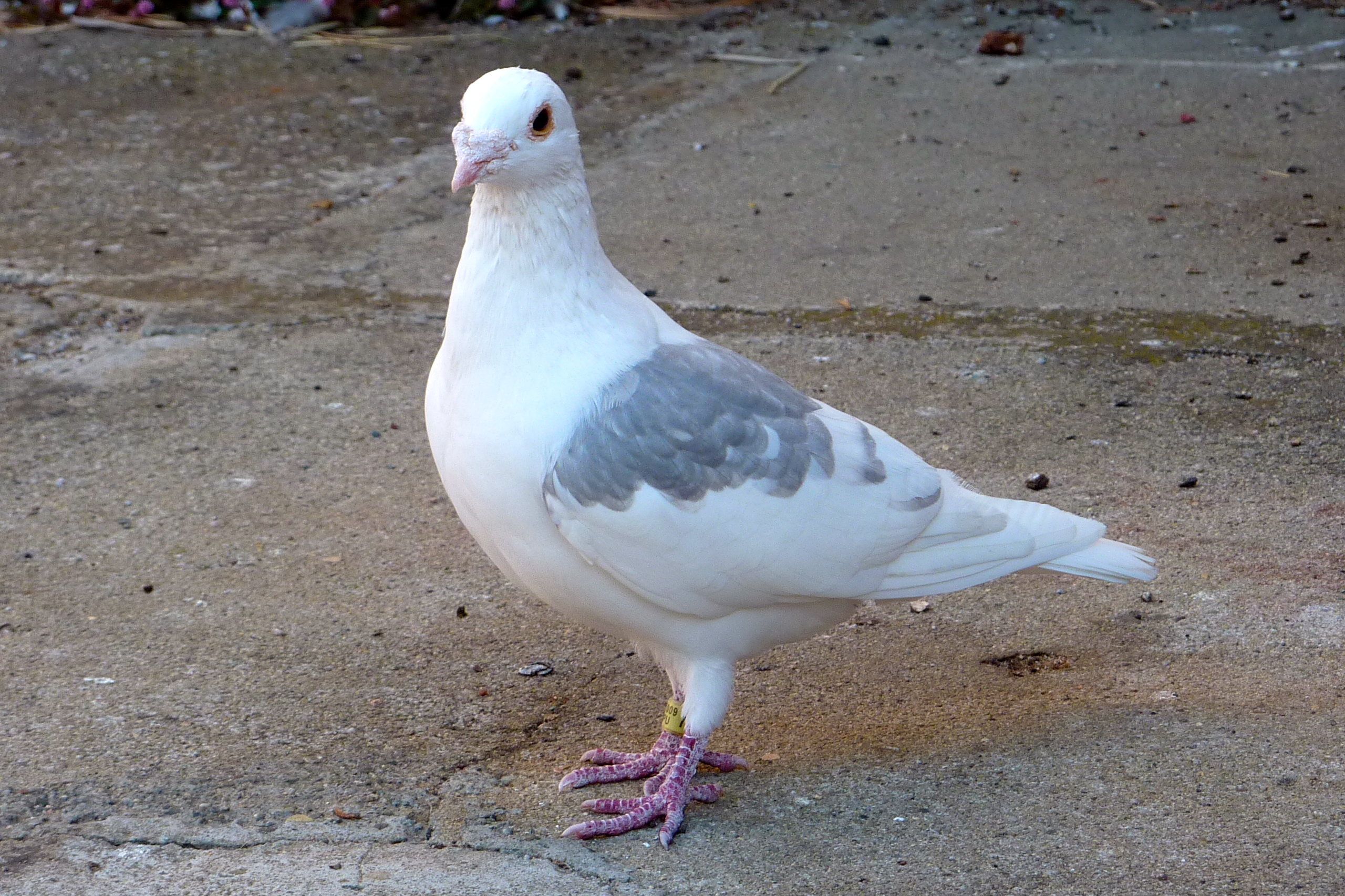
When people find a stray racing pigeon, they often report it to local pigeon clubs. These clubs keep records of pigeon bands or rings on the birds’ legs. The band has an ID number linked to the owner’s contact information. Reporting stray pigeons helps connect the lost bird with its owner quickly. Many communities have networks or online groups to share this information.
Recovery Efforts
Owners and pigeon clubs work together to recover lost pigeons. Flyers, social media posts, and phone calls spread the word about missing birds. Some use GPS trackers on pigeons to follow their route. Rescue efforts also include checking local parks and farms where pigeons may rest. The goal is to find and return the pigeon safely to its loft.
Cultural Impact
Racing pigeons have a deep cultural impact across many societies. They represent more than just birds that race. Their role touches traditions, community life, and even social status in different parts of the world. This cultural presence shows how much people value these birds beyond their speed and training.
Global Popularity
Racing pigeons enjoy fame worldwide. Countries in Europe, Asia, and the Americas embrace the sport. Each region has its unique style of racing and breeding. This global interest keeps the tradition alive and growing. It connects people from diverse backgrounds through a shared passion.
Community And Competitions
Racing pigeons build strong communities. Enthusiasts meet regularly to train and race their birds. Local and international contests bring excitement and pride. These events foster friendships and healthy competition. They also pass down knowledge from one generation to the next.
Symbolism And Status
In many cultures, racing pigeons symbolize freedom and loyalty. Owning prized birds often signals status and respect. High-quality pigeons can be valuable assets and family treasures. Their success in races reflects the owner’s skill and dedication. This symbolism makes racing pigeons more than just competitors.
Surprising Facts
Racing pigeons are more than just fast flyers. Their skills and history reveal many surprising facts. These birds have unique traits that set them apart from other animals. Their races often break records. The way trainers prepare them is sometimes unusual. Let’s explore these fascinating details.
Unique Abilities
Racing pigeons have an amazing sense of direction. They can find their way home from hundreds of miles away. Scientists believe they use the Earth’s magnetic field to navigate. Their eyesight is very sharp, helping them spot landmarks. These birds can fly at speeds over 60 miles per hour. Their stamina allows them to keep going for hours without rest.
Record-breaking Races
Some racing pigeons have flown over 1,000 miles in a single race. The longest recorded race lasted almost 24 hours. These birds return home faster than many expected. Champions win prizes worth thousands of dollars. Some races attract hundreds of pigeons from around the world. Each race tests their speed, endurance, and homing ability.
Unusual Training Secrets
Trainers use special methods to prepare their pigeons. They feed birds a balanced diet to boost energy. Some use music or scents to calm the pigeons before flights. Training often involves gradual distance increases. Many trainers release birds from different locations to improve navigation. Keeping pigeons healthy and stress-free is key to their success.
Credit: www.pigeonrescue.org
Frequently Asked Questions
What Is The Point Of Racing Pigeons?
Racing pigeons test speed, endurance, and homing skills. The sport highlights training, breeding, and the bond between owners and birds. It combines competition with tradition, challenging birds to return fastest from long distances.
What Is The Average Cost Of A Racing Pigeon?
The average cost of a racing pigeon ranges from $100 to several thousand dollars. Top birds with champion lineage can cost over $10,000. Prices depend on pedigree, performance, and breeding potential. Rare, high-performing pigeons may sell for even higher amounts at auctions.
What Happens To Racing Pigeons If They Get Lost?
Lost racing pigeons may struggle to find their loft and risk exhaustion or predators. Some get rescued by people or return eventually. Owners often tag pigeons to aid identification and recovery.
What Do People Do With Racing Pigeons?
People train racing pigeons to fly long distances and compete in races, testing their speed and homing skills. Owners breed, care for, and condition these birds for endurance and navigation. The fastest pigeon returning home wins, showcasing the bird’s ability and the owner’s training expertise.
Conclusion
Racing pigeons train hard to find their way home fast. They fly long distances using their natural skills. These birds show amazing speed, endurance, and loyalty. Owners carefully breed and care for them daily. Racing pigeons are more than just birds; they are athletes.
This sport brings joy and challenge to many people. It connects humans with nature in a unique way. Understanding what racing pigeons do reveals their special talents. Their role in racing highlights teamwork between bird and owner.