


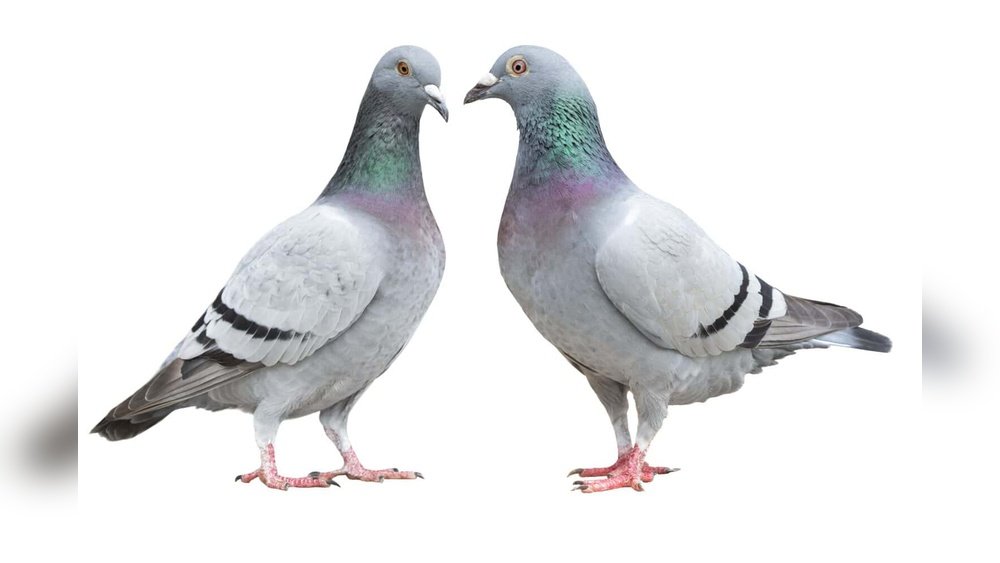
Have you ever wondered how to tell if a pigeon is male or female? At first glance, these birds look almost identical, making it tricky to spot the difference.
But knowing your pigeon’s gender can be important, whether you’re a bird lover, breeder, or just curious. You’ll discover simple tips and clear signs to help you tell male and female pigeons apart. By the end, you’ll have the confidence to identify your feathered friend’s gender with ease.
Keep reading to unlock these surprising and easy-to-spot clues!

Credit: www.youtube.com
Physical Traits To Watch
Identifying whether a pigeon is male or female can be tricky. Physical traits offer useful clues. These features differ slightly between sexes. Observing head shape, neck width, and feather patterns helps make a good guess. Pay close attention to these details.
Head Shape And Size
Male pigeons usually have larger, rounder heads. Their heads look more robust and solid. Female heads tend to be smaller and narrower. The difference is subtle but noticeable. Males often display a more pronounced forehead curve. This trait reflects their stronger build.
Neck Width And Stature
Male pigeons have thicker necks than females. Their necks appear wider and muscular. Females usually have slender necks and a more delicate frame. Males stand taller and seem bulkier overall. This sturdy posture helps males assert dominance during mating.
Feather Patterns And Colors
Pigeons share similar feather colors in both sexes. Color differences rarely help identify gender. Sometimes, males show slightly glossier feathers, especially on the neck. Females’ feathers appear softer and less shiny. Look for subtle variations in feather shine, not color patterns.

Credit: www.reddit.com
Behavioral Differences
Behavioral differences offer clear clues to identify male and female pigeons. These birds show unique actions during mating and nesting seasons. Observing how they act helps distinguish their gender.
Courtship Displays
Male pigeons perform special moves to attract females. They puff up their chest and strut in circles. Males bow and coo loudly, showing their strength. Females usually watch quietly and respond by nodding.
Vocalizations And Sounds
Males make deeper and louder cooing sounds than females. Their calls are rhythmic and repeat more often. Females produce softer, shorter coos. Listening to these sounds helps tell their gender apart.
Nesting Habits
Females spend more time building the nest carefully. They arrange twigs and leaves with precision. Males bring materials but do less arranging. During incubation, females sit on eggs longer. Males stand guard nearby, protecting the nest.
Simple Field Tests
Simple field tests help identify male and female pigeons without special tools. These quick methods rely on observing behavior and small physical traits. Anyone can try them outdoors or at home. They provide clues but may not be 100% accurate.
Toe Trick Method
The toe trick is a classic way to guess a pigeon’s sex. Gently hold the pigeon’s foot and look at the middle toe. Males usually have a longer, curved middle toe. Females tend to have shorter, straighter toes. This test works best with experience and calm birds.
Observation Of Posture
Watch the pigeon’s stance and posture carefully. Males stand taller with puffed-up chests. They often hold their necks wider and look more robust. Females appear smaller and less bold in posture. This difference is subtle but visible over time.
Response To Interaction
Notice how the pigeon reacts when you approach or touch it. Male pigeons may coo loudly and bow to show dominance. They often circle around or strut near you. Females are usually quieter and less active in their response. This behavior shows their natural roles during mating.
Challenges In Identification
Identifying the gender of a pigeon is not simple. Many challenges make it hard to tell males from females just by looking. The differences are subtle, and mistakes are common. Understanding these challenges helps set realistic expectations for pigeon lovers and bird watchers.
Some pigeons look almost identical whether male or female. Age and species differences add more confusion. Below, we explore key factors that make pigeon sex identification tricky.
Similarities Between Sexes
Male and female pigeons share many physical traits. Their colors and markings often match closely. Both sexes have similar sizes in many breeds. This makes visual clues unreliable. Without clear sexual dimorphism, guessing gender by appearance is risky.
Age And Maturity Factors
Young pigeons show fewer gender signs than adults. Juveniles often have duller feathers and less developed features. Maturity brings some differences, but they remain subtle. Identifying sex before full growth is especially difficult and often inaccurate.
Species Variations
Different pigeon species show different gender traits. Some species have slight size or shape differences between sexes. Others show almost no visual difference at all. Knowing the specific species is important for any guess about gender.
Expert Techniques
Determining the sex of a pigeon can be difficult due to their similar appearance. Expert techniques provide reliable methods for accurate identification. These methods help bird owners, breeders, and enthusiasts know the bird’s gender with confidence.
Dna Testing For Accuracy
DNA testing is the most precise way to identify a pigeon’s sex. A small feather or blood sample is taken for analysis. This method delivers clear results within a few days. It is painless for the bird and highly dependable. Many veterinarians and labs offer this service. DNA testing removes all guesswork from pigeon gender identification.
Veterinary Examination
A skilled veterinarian can often determine a pigeon’s sex through physical examination. They look for subtle differences in body shape and size. The vet also checks behavior and vent shape. This method is non-invasive and quick. It works best for adult pigeons with developed features. A vet’s experience plays a key role in accuracy.
Surgical Sexing Procedures
Surgical sexing is a method used when other techniques are inconclusive. It involves a small incision to examine the bird’s reproductive organs. The procedure is done under anesthesia to prevent pain. It provides 100% accurate results. This technique is rare and only used in special cases. It requires a professional avian surgeon for safety.
Tips For Pigeon Keepers
Understanding the gender of your pigeons can improve care and breeding success. These tips help pigeon keepers observe and identify male and female pigeons more accurately. Careful handling and watching behavior provide clues. Professional advice can confirm your observations.
Handling And Observation
Gently handle your pigeons to notice physical differences. Males often have a thicker neck and larger head. Females tend to be smaller and slimmer. Observe their posture; males may puff up their chest more. Handle birds calmly to reduce stress and get better clues.
Recording Behavioral Patterns
Watch how pigeons act over days or weeks. Males usually coo loudly and perform courtship dances. Females are quieter and less showy. Note which birds defend the nest or feed chicks. Writing down these behaviors helps track gender differences clearly.
Seeking Professional Help
Consult a vet or bird expert for accurate gender identification. Professionals may use DNA tests or physical exams. This is especially useful for young or similar-looking pigeons. Getting expert help avoids mistakes and supports your pigeon’s health and breeding.
Credit: www.researchgate.net
Frequently Asked Questions
How Do You Tell The Difference Between A Male And Female Pigeon?
Male pigeons have thicker heads and wider necks, appearing more robust than females. Both sexes share similar colors and markings, so visual differences are subtle. Behaviorally, males often display more courtship actions. DNA testing or expert observation ensures accurate gender identification.
How To Tell If A Pigeon Likes You?
A pigeon that likes you fluffs its chest, makes soft cooing sounds, and stays close or “loafs” nearby. It shows trust through calm, gentle behavior.
How Can I Tell If A Bird Is Male Or Female?
Bird sex varies by species and can show in color, size, or behavior differences. Males often display more. DNA tests or vet checks confirm gender. For example, male Eclectus parrots are green; females are red. Male budgies have blue ceres; females’ are brown.
Why Don’t We See Baby Pigeons?
We rarely see baby pigeons because parents keep them hidden in nests until they grow feathers. Young pigeons look similar to adults.
Conclusion
Knowing the difference between male and female pigeons takes close observation. Males often look bigger with thicker necks and heads. Females tend to be smaller and slimmer. Watching their behavior can also help; males may puff up and coo more.
Color alone won’t show their gender since both look alike. For absolute certainty, experts use DNA tests or vet checks. Understanding these signs makes identifying pigeon gender easier and more accurate. Keep practicing, and you will spot the differences in no time.
