


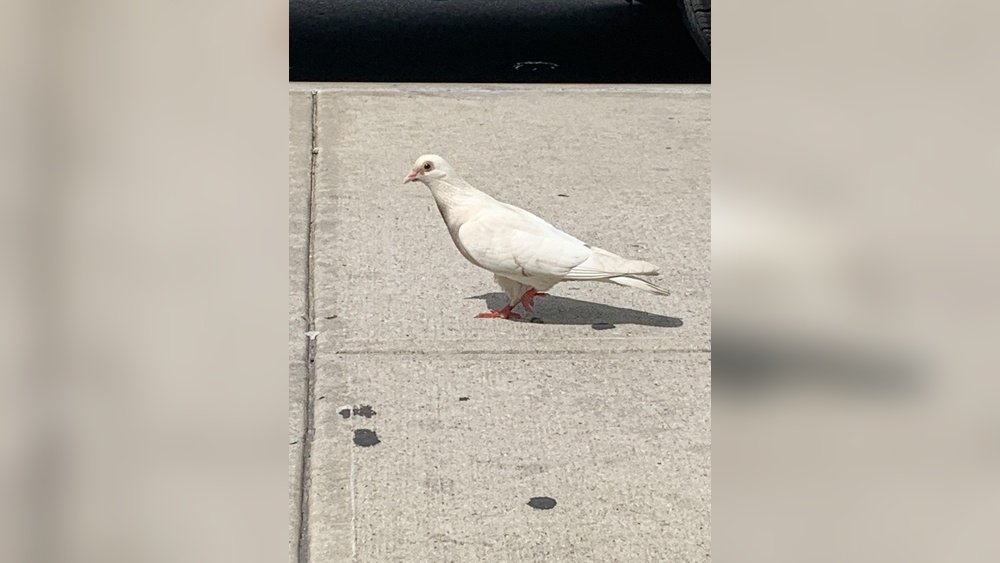
Have you ever spotted a pure white pigeon gliding gracefully through the sky and wondered, “Are white pigeons rare?” You’re not alone. Their striking, snowy feathers make them stand out from the usual gray or blue pigeons crowding city streets.
But just how uncommon are these elegant birds? You’ll discover the surprising truth about white pigeons, what makes their color so unique, and why seeing one might feel like a special moment. Stick around—your next encounter with a white pigeon may never look the same again.
White Pigeon Appearance
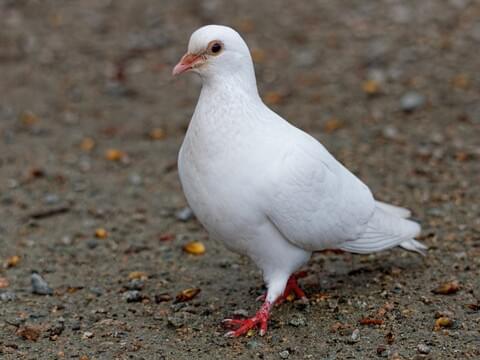
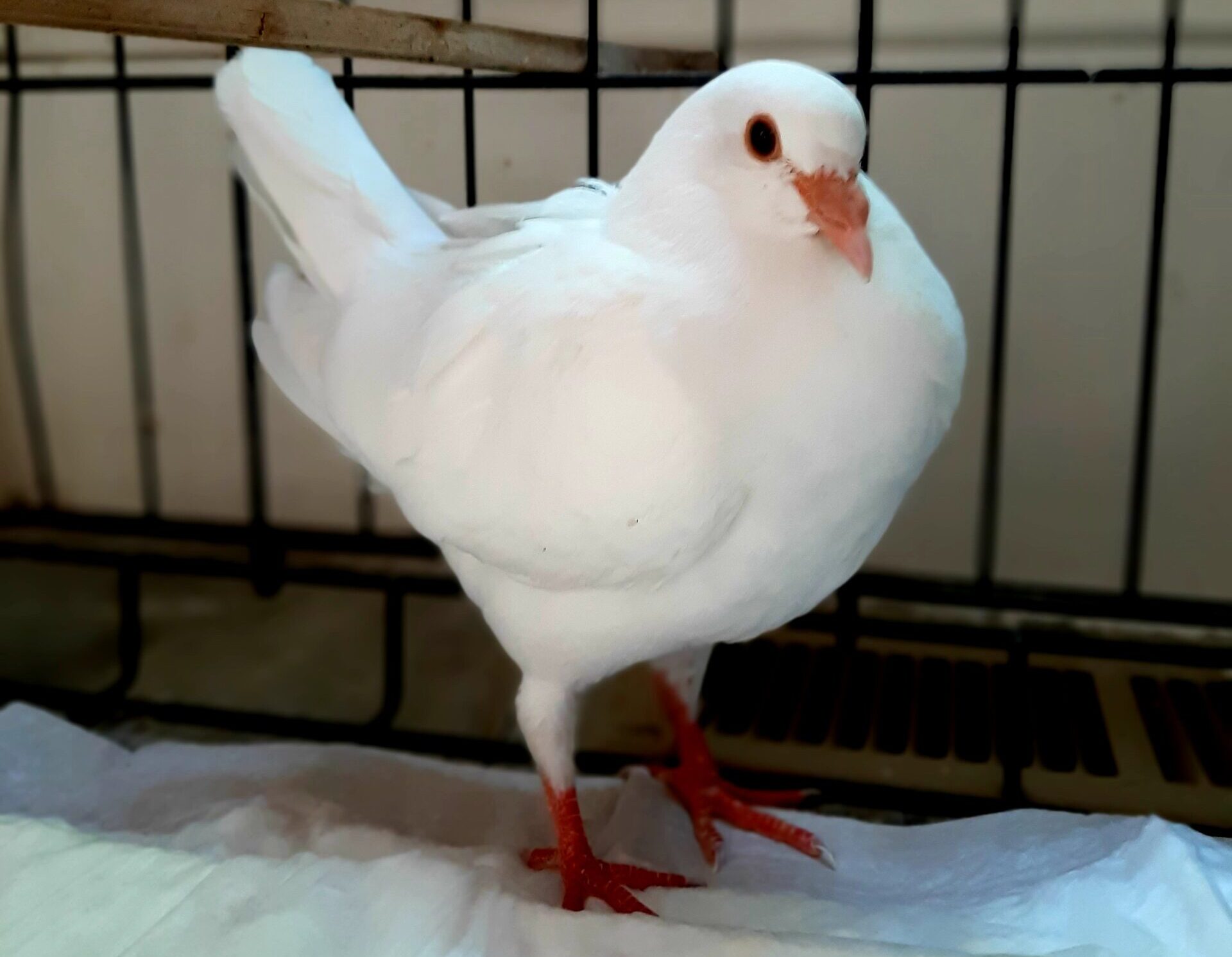
White pigeons catch the eye with their pure, bright feathers. Their color sets them apart from common pigeons found in cities. This clean white look often symbolizes peace and purity in many cultures.
Their feathers have no spots or marks, giving them a smooth, elegant look. The white color may appear soft and glowing under sunlight, enhancing their beauty. Their eyes, beak, and feet often have a gentle contrast with the white feathers.
Genetic Causes Of White Color
The white color in pigeons is caused by genetics. A gene stops the production of melanin, the pigment that gives color to feathers. This absence of pigment creates the white appearance.
Sometimes, pigeons have a gene mutation that affects feather color. This mutation can make all feathers white or just some parts. Breeders often select pigeons with this gene to produce white offspring.
Differences From Typical Pigeons
Typical pigeons usually have grey, blue, or mixed feathers. They have patterns like spots or stripes that white pigeons do not show. White pigeons stand out because they lack these usual markings.
White pigeons may also behave slightly differently due to their genetics. Their visibility to predators can be higher, making survival harder in the wild. This is why white pigeons are less common in urban areas.
Credit: www.allaboutbirds.org
Rarity Among Urban Flocks
White pigeons are less common than their grey or blue cousins in cities. Their pale feathers stand out in the crowded urban environment. This distinct look makes them more noticeable to both humans and predators.
The white color comes from a genetic lack of melanin. This trait is not usual among wild pigeons, so spotting a white pigeon in the city feels special. They are not extremely rare but appear less often than typical city pigeons.
Commonness In City Environments
Urban areas mostly host pigeons with grey, blue, or mixed feathers. White pigeons exist but in smaller numbers. City flocks usually have a few white pigeons, often seen near parks or squares.
People often feed white pigeons, which helps them survive in busy places. Yet, they do not dominate the urban pigeon population. Their rarity adds a touch of uniqueness to city birdwatching.
Predator Risks And Visibility
White pigeons face higher risks from predators. Their bright feathers make them easy targets. Hawks and other birds of prey spot them quickly against city backgrounds.
This visibility reduces their chances of survival compared to darker pigeons. White pigeons must stay alert and often avoid open spaces. Their rarity in cities partly results from these survival challenges.
Rare Pigeon Colors
Rare pigeon colors captivate bird lovers and breeders alike. These unique hues appear due to special genetic traits. Such colors stand out against the common gray and blue pigeons. They often attract attention because of their unusual beauty and rarity. Understanding these colors helps appreciate the diversity in pigeon breeds.
Extreme Dilute And Almond Variations
Extreme dilute pigeons show a pale yellow or cream color. This rare gene reduces the usual blue or gray pigment. These pigeons sometimes have weaker eyesight. Because of this, they are less common in racing circles.
Almond pigeons display a striking mix of colors. Their feathers feature spots and shades of brown, black, and white. The almond pattern appears mostly in fancy breeds like the Egyptian Swift. This variation remains rare and highly prized by pigeon enthusiasts.
Mosaic Patterns And Metallic Shades
Mosaic pigeons have a unique patchwork of two or more colors. Red and blue mixes are the most popular mosaic patterns. These birds look like living artworks with their complex feather designs.
Metallic shades give pigeons a shiny, bronze-like appearance. Archangel pigeons often show this metallic glow. Their feathers shimmer in the sunlight, making them stand out in any flock. Such colors are rare and admired for their elegance.
Wild Pigeon Species Colors
Pigeons in the wild show a wide range of colors. Their feathers can shine with bright hues or stay soft and muted. These natural colors help them blend into different environments. Some species are famous for their unique and vivid colors. Understanding these colors helps us appreciate the diversity of wild pigeons. It also shows why pure white pigeons are not very common in nature.
Iridescent Nicobar Pigeon
The Nicobar pigeon stands out with its shiny feathers. It has green and blue shades that change with light. These iridescent colors make it look like a jewel. This bird lives on islands in Southeast Asia. Its bright feathers help it hide among tropical trees. The Nicobar pigeon’s colors are rare and beautiful in the wild pigeon world.
Maroon Pale-capped Pigeon
The Pale-capped pigeon shows a deep maroon color on its body. It has a soft grey cap on its head, giving it a gentle look. This species lives in forests of South Asia. The rich maroon shade helps it blend with the forest floor and fallen leaves. Its unique color makes it special among wild pigeons. This pigeon’s quiet beauty often goes unnoticed.
Factors Affecting Color Rarity
The rarity of white pigeons depends on several factors that influence their color. Understanding these factors helps explain why white pigeons are less common than gray or blue ones. Color variations in pigeons result from complex interactions between genetics and the environment. These influences shape the patterns and shades seen in pigeon populations worldwide.
Genetic Mutations And Breeding
White coloration in pigeons often comes from genetic mutations affecting melanin production. Melanin is the pigment that gives pigeons their usual gray or blue colors. When a mutation reduces or stops melanin, pigeons appear white. Such mutations are rare in wild populations but can be more common in captive breeding.
Breeders select pigeons with unique colors to create specific traits. White pigeons are popular in breeding because of their striking appearance. Controlled breeding increases the chance of white offspring. However, pure white pigeons still remain less frequent compared to other colors.
Environmental Influences On Color
Environment plays a role in the survival of different pigeon colors. White pigeons stand out more against natural backgrounds, making them easier targets for predators. This decreases their chance of survival in the wild. As a result, white pigeons are less common in feral populations.
Urban areas with fewer predators may support more white pigeons. Food availability and climate can also affect color distribution. These factors influence which colors thrive in certain locations. White pigeons may appear more often in places where they face less danger.
Credit: dreamingofachance.com
Cultural Significance Of White Pigeons
White pigeons hold a special place in many cultures worldwide. Their unique color and gentle nature make them symbols beyond just birds. People often associate them with deep meanings that touch on human values and beliefs.
The cultural significance of white pigeons comes from their strong ties to themes like peace, purity, and hope. These birds appear in art, stories, and ceremonies, showing their importance across different societies.
Symbols Of Peace And Purity
White pigeons symbolize peace in many cultures. Their calm presence often represents an end to conflict and a new start. The color white also stands for purity, innocence, and truth. This connection makes white pigeons a powerful symbol in art and literature. People see them as messengers of harmony and goodwill. Their image comforts those seeking calm and balance in life.
Use In Ceremonies And Traditions
White pigeons play a key role in ceremonies worldwide. Releasing white pigeons at weddings symbolizes love and new beginnings. Funerals may include them to represent the soul’s peaceful journey. In some cultures, they appear during religious festivals to mark hope and faith. Their gentle flight adds beauty and meaning to special occasions. People treasure these moments as symbols of unity and blessings.
:max_bytes(150000):strip_icc()/GettyImages-666152880-7dc5594520c34f799493fccbf9c754f6.jpg)
Credit: www.treehugger.com
Frequently Asked Questions
How Rare Is It To Find A White Pigeon?
White pigeons are less common than typical gray ones but not extremely rare. Their white color results from genetic lack of melanin. Pure white pigeons stand out in wild flocks due to rarity and predator risk, making sightings special but not extraordinary.
What Does It Mean If I See A White Pigeon?
Seeing a white pigeon symbolizes peace, purity, and hope. Its rare color often represents spiritual messages or new beginnings.
What Is The Rarest Color Of A Pigeon?
The rarest pigeon colors include extreme dilute (yellow/cream), almond, and mosaic patterns. Pure white pigeons are uncommon in wild flocks. Wild species like the Nicobar pigeon display unique iridescent colors, making them rare and visually striking.
Are White Pigeons Special?
White pigeons are special due to their unique white color caused by genetics. They symbolize peace and purity. Though not extremely rare, they are less common than typical gray pigeons. Their distinct appearance makes them stand out in urban and wild environments.
Conclusion
White pigeons are not very rare but less common than gray ones. Their white color comes from special genes that reduce pigment. You can often see them in parks or near homes. These birds symbolize peace and hope in many cultures.
Spotting one can feel special and calming. While pure white pigeons stand out, they share many traits with other pigeons. Watching them reminds us of nature’s simple beauty. Keep an eye out—you might find a white pigeon nearby.
