


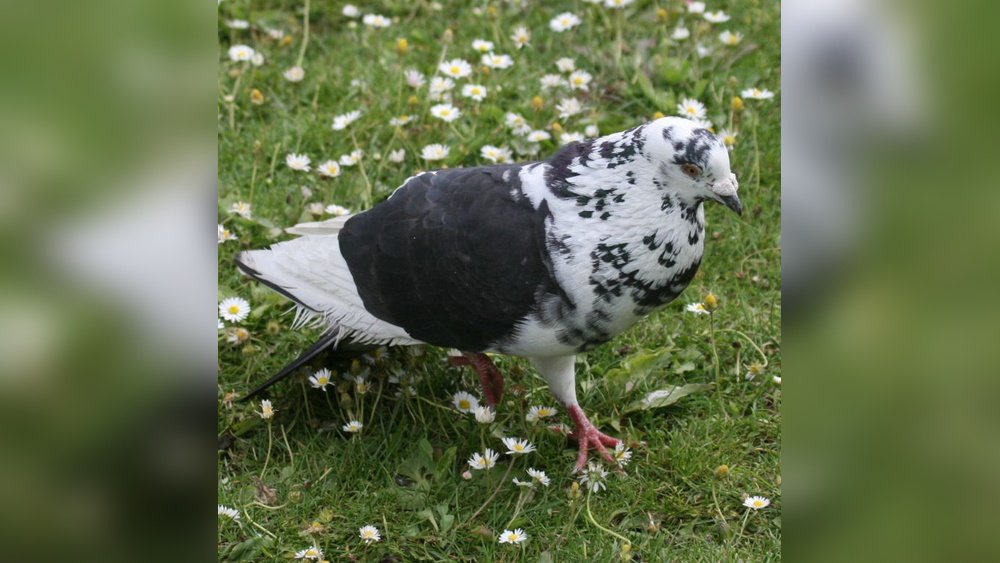
Have you ever spotted a black and white pigeon and wondered if it’s something rare or just another city bird? These striking birds often catch your eye because their colors stand out from the usual gray pigeons you see everywhere.
But are black and white pigeons truly rare, or is there more to their story? If you’re curious about what makes these birds unique, the genetics behind their colors, and where you might spot them, keep reading. By the end of this article, you’ll know exactly why these pigeons are special and what to look for the next time one crosses your path.

Credit: www.reddit.com
Black And White Pigeons Today
Black and white pigeons continue to fascinate bird watchers and urban dwellers. Their striking color patterns make them stand out among the common gray pigeons found in cities worldwide.
These pigeons can be found in both wild and domestic settings. Their colors vary from sharp contrasts to softer blends of black and white feathers. This variation adds to their unique appeal and rarity.
Presence In Urban Areas
Black and white pigeons are not very common in cities but can be spotted occasionally. They often attract attention because their colors differ from the usual gray or blue-gray pigeons.
Many urban pigeons are descendants of rock doves, which can carry genes for black and white coloration. Breeders sometimes raise these pigeons for their unusual patterns.
Breeding And Genetics
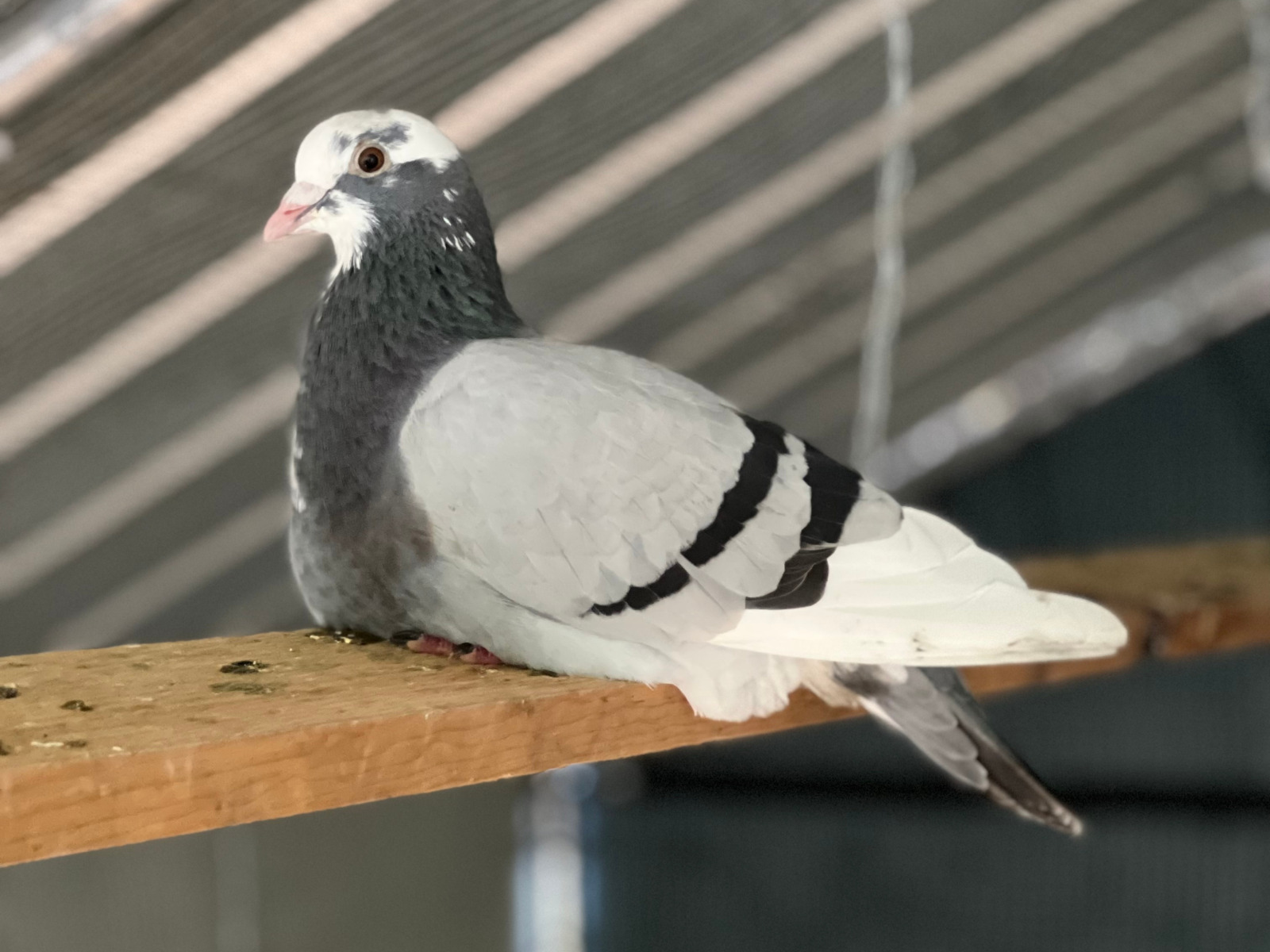
The black and white colors result from specific genetic combinations. Selective breeding enhances these traits in domestic pigeons. Some breeders focus on creating more distinct black and white patterns.
Genetic diversity among pigeons allows for various color patterns. This makes black and white pigeons special, though not extremely rare in controlled breeding environments.
Wild Black And White Pigeon Species
Some wild pigeon species naturally display black and white feathers. Pied Imperial Pigeons are an example, with white bodies and black flight feathers.
These wild species are less common but add to the diversity of pigeon colors worldwide. Their unique patterns help with camouflage and mating displays.
Credit: dreamingofachance.com
Rare Colors In Domestic Pigeons
Domestic pigeons show many unique and rare colors. These colors come from special genes. They make pigeons look very different from the usual gray ones.
Rare colors attract pigeon lovers and breeders. Each color pattern has its own story and charm. Some colors are hard to find and very special.
Extreme Dilute Variations
Extreme dilute pigeons have a pale yellow or cream color. This gene lightens the usual blue or gray feathers. These pigeons may have weak eyesight. That makes them less common in races and shows.
This rare color is prized for its softness and uniqueness. It stands out in any flock because of its light shade.
Almond Color Pattern
The almond pattern is a mix of light and dark spots. It gives pigeons a beautiful, speckled look. This color is found in breeds like the Egyptian Swift.
Almond pigeons are very rare and admired for their delicate beauty. Their feathers look almost like painted art.
Mosaic Patterns
Mosaic pigeons show two colors on one bird. This pattern comes from a rare genetic change. Colors like red and blue combine in unique ways.
The mosaic pattern is eye-catching and unusual. It makes each pigeon look like a living mosaic tile.
Pure White Pigeons
Pure white pigeons have all-white feathers with no other colors. This color is not rare genetically but less common in wild flocks.
White pigeons stand out because of their clean and bright appearance. They face more danger from predators, so they are not often seen outside.
Rare Colors In Wild Pigeons
Rare colors in wild pigeons capture the attention of bird watchers and nature lovers. Unlike common city pigeons, these birds display unique and striking hues. Their uncommon appearances help them stand out in forests and tropical areas. Many wild species have evolved special colors for camouflage, mating, or signaling. This section explores some rare pigeon species with unusual colors.
Nicobar Pigeon Features
The Nicobar pigeon shows bright, iridescent feathers. Its colors range from green to blue and bronze. This bird has a metallic shine that looks like a rainbow. It lives mainly on small islands in Southeast Asia. Its unique plumage helps it blend with the dense forest leaves. The Nicobar pigeon is one of the most colorful wild pigeons.
Pale-capped Pigeon Traits
The Pale-capped pigeon has a soft gray body and a pale crown. It also shows subtle maroon tones on its wings. This bird is usually found in South Asian forests. Its quiet colors help it hide from predators. The pale cap on its head makes it easy to identify. It is less common than typical gray pigeons.
Pied-imperial Pigeon Details
The Pied-imperial pigeon has a striking black and white pattern. Its body is mostly white with black on the wings and tail. It breeds in Australia and nearby islands. This bird migrates to lowland areas during winter. Its contrasting colors make it easy to spot in flight. The Pied-imperial pigeon is rare compared to city pigeons.
:max_bytes(150000):strip_icc()/English_Trumpeter-b6c338d6934540d696a969015f9bc3c9.jpg)
Credit: www.treehugger.com
Genetics Behind Rare Colors
Black and white pigeons often catch the eye due to their striking look.
Their color patterns come from unique genetic factors.
These factors control feather pigmentation and patterns.
Understanding these genetics helps explain why such pigeons are rare.
Genetic Mutations And Recessive Genes
Rare colors in pigeons often arise from genetic mutations.
These mutations change how pigment cells develop in feathers.
Recessive genes must be inherited from both parents to show rare colors.
This makes black and white patterns less common in the wild.
Sometimes, mutations can create unique patterns like pied or splash.
Breed-specific Color Traits
Some pigeon breeds have specific color traits passed down.
These traits are stable and predictable within that breed.
For example, the Jacobin breed often shows distinct black and white patterns.
Selective breeding enhances these rare colors over generations.
Breed traits help maintain rare colors in domestic pigeons.
Environmental Influences On Color
Environment can affect how colors appear on pigeons.
Sun exposure may lighten or fade feather colors over time.
Diet and health also influence pigment quality and brightness.
Stress or pollution can reduce color vibrancy in feathers.
Despite this, genetics remain the main factor for rare colors.
Identifying And Helping Banded Pigeons
Identifying and helping banded pigeons is important for bird lovers and communities. These pigeons carry small, colored bands on their legs. Bands help track the pigeon’s origin and owner. Recognizing these bands can aid in returning lost pigeons safely.
Many banded pigeons are racing or homing birds. They might get lost or injured far from home. Helping them ensures they can return safely to their owners. Knowing how to handle and read bands supports this process.
How To Safely Contain A Banded Pigeon
Use a small box or carrier with air holes. Gently place a soft cloth inside for comfort. Approach the bird slowly to avoid stress or injury. Wear gloves to protect your hands and the pigeon. Avoid squeezing the bird tightly to prevent harm.
Reading Band Information
Look closely at the band on the pigeon’s leg. Bands usually show letters, numbers, and colors. Note these details carefully or take a clear photo. The code helps identify the bird’s club or owner. Some bands have phone numbers or websites for contact.
Reporting And Returning Lost Pigeons
Contact local pigeon clubs or racing associations with the band information. Use online pigeon databases if available. Share the details on social media or community groups. Return the pigeon to its owner through proper channels. This act helps maintain the trust in pigeon racing and care.
Frequently Asked Questions
What Kind Of Pigeon Is Black And White?
A black and white pigeon is often a Pied Imperial Pigeon. It has white or cream body with black flight and tail feathers. This striking pattern helps identify this species easily.
What Is The Rarest Pigeon Color?
The rarest pigeon colors include extreme dilute (yellow/cream), almond, mosaic patterns, and metallic bronze. Wild species like the Nicobar pigeon also display unique iridescent colors. These rare colors result from uncommon genetic mutations or specific breed traits.
What Should I Do If I Find A Banded Pigeon?
Gently place the banded pigeon in a ventilated box with water and food. Note the band details. Report the information to local pigeon clubs or racing associations for assistance.
Are Black Pigeons Rare?
Black pigeons are uncommon but not extremely rare. Their dark color results from specific genetic traits found in some pigeon breeds.
Conclusion
Black and white pigeons are uncommon but not extremely rare. Their unique colors come from special genes and natural variations. Many people admire these birds for their distinct look. You can spot them in cities and parks sometimes. Understanding their rarity helps appreciate nature’s diversity.
Keep an eye out and enjoy these striking pigeons when you see them.
