

Have you ever wondered how messages were delivered before phones and the internet? Homing pigeons played a surprising and important role in communication for centuries.
These special birds have an incredible talent: they always find their way back home, no matter how far away they are released. But what exactly are homing pigeons used for today? Whether it’s carrying urgent messages, helping in emergencies, or even taking part in special ceremonies, their unique skills have made them valuable in many ways.
Keep reading to discover the fascinating uses of homing pigeons and how they continue to impact our world. Your curiosity is about to take flight!
Historical Message Delivery
Homing pigeons played a vital role in message delivery before modern technology. These birds carried important news across long distances. They were reliable messengers during times when other communication methods failed.
Their ability to return home from far away made them valuable. People trusted pigeons to deliver messages quickly and safely. This section explores how homing pigeons served as messengers throughout history.
Pigeon Post Origins
The use of pigeons for sending messages began thousands of years ago. Early humans noticed pigeons always returned to their nests. They attached small notes to the pigeons’ legs and let them fly.
This simple method became a reliable way to send short messages. The term “pigeon post” describes this early form of communication. It laid the foundation for using pigeons as message carriers worldwide.
Use In Ancient Civilizations
Ancient Egyptians and Greeks used pigeons for communication. They sent news about battles, trade, and events. Pigeons helped rulers keep control over large areas.
In Rome, pigeons carried military orders during campaigns. Messages that took days by foot reached their destination in hours. This speed helped armies react faster to changing situations.
Medieval And Military Roles
During medieval times, homing pigeons remained important messengers. Kings and generals used them to send secret information. They were especially useful during wars and sieges.
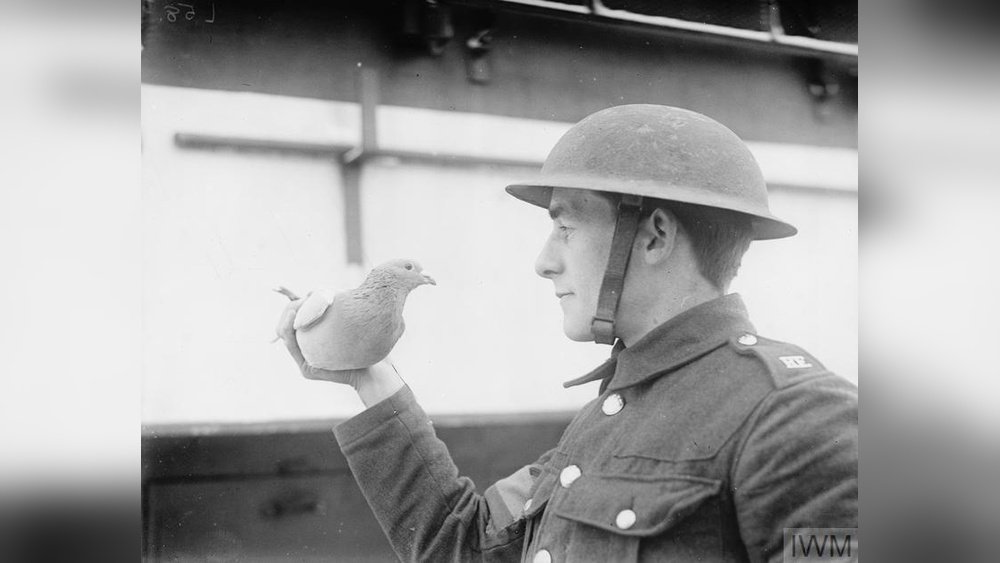
In World Wars I and II, pigeons saved many lives. Soldiers called them “war pigeons” for their courage. Pigeons delivered maps, orders, and warnings across enemy lines. Their success boosted morale and saved critical missions.

Credit: www.iwm.org.uk
Military Communication
Homing pigeons played a vital role in military communication. Armies used these birds to send secret messages across battlefields. Their natural ability to find their way home made them reliable messengers. Even in dangerous conditions, pigeons carried important information quickly and safely. The use of homing pigeons saved many lives and helped coordinate military actions.
World War I Contributions
During World War I, homing pigeons were essential for communication. Soldiers sent messages when radios failed or were unavailable. Pigeons flew through enemy fire to deliver notes from the front lines. Their speed and accuracy helped commanders plan attacks and defenses. Many pigeons earned medals for their bravery and service.
World War Ii Missions
Homing pigeons continued to serve in World War II. They carried messages between troops and headquarters in secret. Pigeons helped spies and resistance fighters send vital intelligence. They crossed dangerous zones where other communication means were impossible. Their use reduced the risk of message interception by enemies.
War Pigeons’ Impact
War pigeons had a strong impact on military success. They provided a secure way to share information quickly. Pigeons saved soldiers by delivering urgent messages about attacks or retreats. Their reliability made them trusted allies in war. The legacy of these birds reminds us of nature’s role in human history.
Modern Medical Uses
Homing pigeons still serve important roles in modern medicine. Their ability to travel quickly and find specific locations makes them useful beyond traditional message delivery.
Medical facilities in remote or hard-to-reach areas use pigeons to support health services. They provide a reliable, low-cost option when other transport methods fail or are too slow.
Transporting Medical Supplies
Homing pigeons carry small but vital medical items. These include vaccines, medicines, and test kits. Their flights can bypass traffic or rough terrain, ensuring timely delivery.
In areas with poor roads or during natural disasters, pigeons remain dependable. They help maintain the supply chain for essential healthcare products.
Emergency Blood Sample Delivery
Blood samples need fast delivery to labs for accurate testing. Pigeons can transport these samples quicker than some road vehicles in congested or rural zones.
This speed can improve diagnosis and treatment. It reduces delays that might affect patient outcomes. Hospitals sometimes use pigeons as a backup transport method.
Ceremonial And Symbolic Roles
Homing pigeons hold a special place in ceremonies and symbolic events. Their natural ability to return home inspires hope, peace, and unity. People use these birds to mark important moments with a meaningful gesture. White homing pigeons, in particular, symbolize purity and new beginnings. Their release adds beauty and emotion to many occasions.
Weddings And Celebrations
At weddings, homing pigeons represent love and harmony. Couples release them to celebrate their union. The birds’ flight shows the start of a shared journey. Guests often find this gesture touching and memorable. Celebrations like anniversaries also use pigeons to symbolize lasting bonds. The peaceful release creates a magical atmosphere. It connects tradition with nature’s elegance in a simple act.
Funerals And Memorials
Homing pigeons also serve in funerals and memorials. They represent the soul’s journey and eternal peace. Releasing pigeons honors the memory of loved ones. The birds’ flight offers comfort to those grieving. It symbolizes hope and the continuation of life. Many find the sight of pigeons rising skyward deeply moving. This ritual adds meaning to moments of farewell and remembrance.
Navigation Abilities
Homing pigeons have an incredible skill: they can find their way home over long distances. Their navigation abilities are key to their use in message delivery and other tasks. Scientists study how these birds travel so accurately. They use natural cues that guide them even when far from familiar places.
Sun And Landmark Navigation
Homing pigeons use the sun as a compass. They keep track of the sun’s position in the sky to know direction. Pigeons also remember landmarks like rivers and buildings. These visual markers help them stay on course. This method works well during daylight and clear weather.
Magnetic Field Detection
Homing pigeons can sense the Earth’s magnetic field. This ability acts like an internal GPS system. It helps birds find direction even on cloudy days or at night. Scientists believe special cells in their brains detect magnetic signals. This sense allows pigeons to navigate long distances with precision.
Selective Breeding For Homing
Humans have bred pigeons for their homing skills for centuries. Breeders choose birds that return home fastest and most reliably. Over time, this selective breeding improved their navigation ability. Today’s homing pigeons are better at finding their way than wild pigeons. This trait makes them valuable for message delivery and racing.
Rescue And Care Tips
Rescuing a homing pigeon requires care and knowledge. These birds often face challenges in urban or wild areas. Helping a lost or injured pigeon can save its life. Understanding proper rescue and care steps ensures the bird’s safety and well-being.
What To Do When Finding A Pigeon
Approach the pigeon slowly and calmly. Observe if it is injured or weak. If the bird looks healthy, it might just be resting. For injured pigeons, gently pick it up using a soft cloth or towel. Bring it indoors or to a safe, quiet place. Provide fresh water and some bird seed or grains. Avoid feeding bread or processed foods. Contact a local wildlife rehabilitator or pigeon expert for advice. Keep the pigeon away from pets and noise.
Protecting And Handling Safely
Always handle pigeons with clean hands or gloves. Support the bird’s body firmly but gently. Avoid holding its wings tightly to prevent injury. Use a box or cage lined with soft material to keep the pigeon comfortable. Keep the area warm and quiet. Do not force the pigeon to eat or drink. Monitor the bird’s condition and look for signs of distress. Wash your hands thoroughly after handling to prevent disease. Respect the bird’s space and avoid sudden movements.
Homing Pigeons In Popular Culture
Homing pigeons have captured human imagination for centuries. Their unique ability to find their way home over long distances made them more than just birds. They became symbols, messengers, and even heroes in stories and media. This fascinating role in popular culture shows how deeply humans respect these remarkable creatures.
Documentaries And Media
Many documentaries explore the history and skills of homing pigeons. These films show how pigeons helped during wars and carried vital messages. Viewers learn about their training and navigation methods. Media often highlights their bravery and loyalty. TV shows and movies sometimes feature homing pigeons in dramatic scenes. This keeps their story alive and educates new generations.
Symbolism And Representation
Homing pigeons symbolize peace, hope, and communication. White pigeons are often released at weddings and ceremonies to represent new beginnings. In art and literature, pigeons stand for trust and connection. Their homing ability reflects a sense of direction and purpose. Many cultures see them as messengers between people and the divine. This symbolic role adds depth to their presence in stories and traditions.
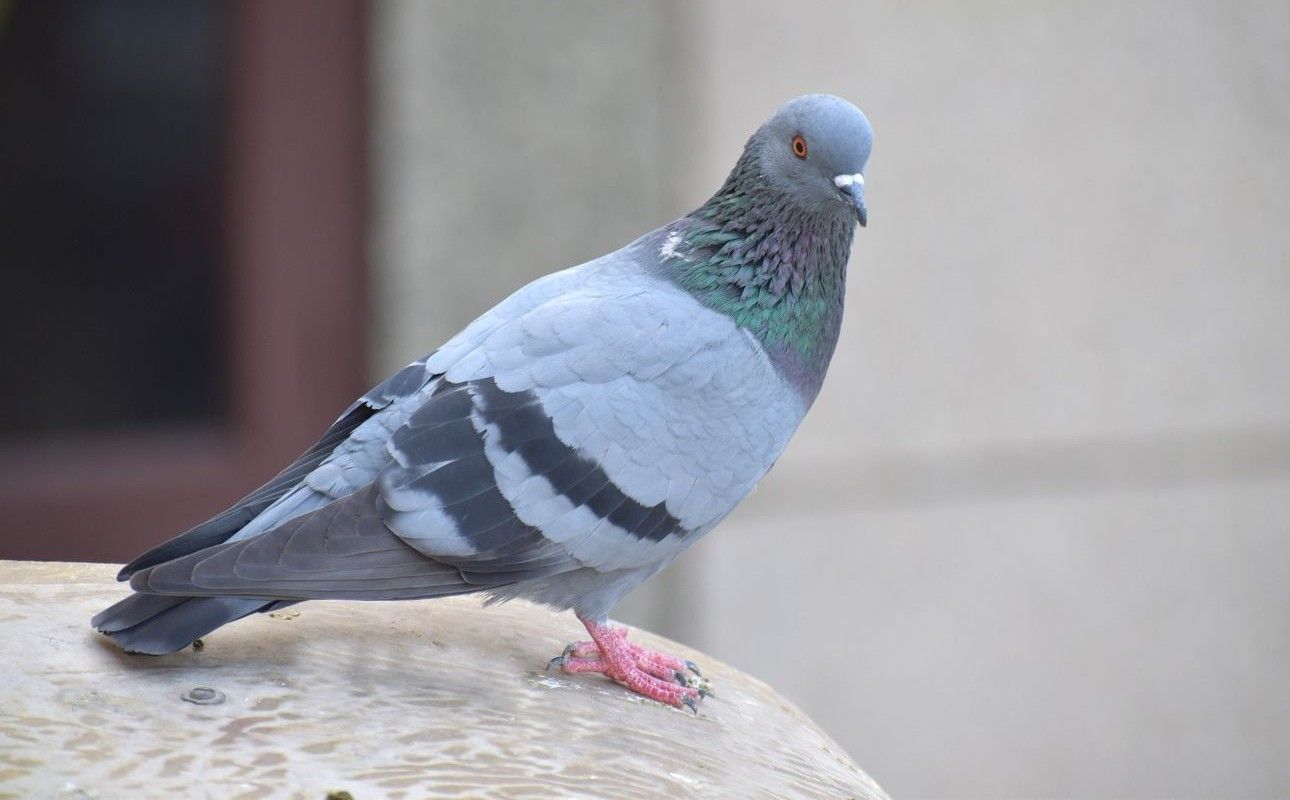
Credit: www.ooma.com

Credit: armyhistory.org
Frequently Asked Questions
What Are Homing Pigeons Used For Today?
Homing pigeons serve in ceremonial releases at events like weddings. They also assist in urgent deliveries of small medical items. Some enthusiasts keep them for sport and hobby racing. Their natural navigation skills support limited communication and transport tasks today.
What Happens If You Find A Homing Pigeon?
Carefully catch the homing pigeon and bring it indoors for safety. Check for injuries and contact a local pigeon rescue or vet. Avoid releasing it immediately; the bird may need care before returning home.
How Do Homing Pigeons Know Where To Go?
Homing pigeons navigate using the sun’s position, Earth’s magnetic field, and familiar landmarks. Their brain processes these cues to find home.
Why Do People Have Homing Pigeons?
People keep homing pigeons to send messages, participate in races, and use them in ceremonies like weddings and funerals.
Conclusion
Homing pigeons have served many important roles over time. They carried messages across long distances quickly. Soldiers relied on them during wars for vital communication. Today, people use them in ceremonies and special events. Their natural ability to find home amazes many.
These birds show how nature and humans connect closely. Homing pigeons remain a symbol of trust and hope. Their unique skills still inspire interest worldwide.