

Have you ever wondered how a pigeon can find its way home from miles away, no matter where it’s released? That’s the fascinating world of homing pigeons.
These special birds have an incredible ability to navigate long distances and return to their home lofts with amazing accuracy. Whether you’re curious about their unique skills or thinking about raising them yourself, understanding what homing pigeons are and how they work will open your eyes to a remarkable natural talent.
Keep reading, and you’ll discover secrets about these birds that might just surprise you.
Homing Pigeon Basics
Homing pigeons are special birds known for their amazing ability to find their way home. They can travel long distances and still return safely. People have used them for carrying messages for many years. Their natural skill makes them unique among birds.
These birds are not just ordinary pigeons. They have traits that help them navigate using the sun, earth’s magnetic field, and even smells. Homing pigeons have strong muscles and sharp eyesight, which help them fly fast and stay on course.
What Makes Them Unique
Homing pigeons can remember their home location from far away. They use a built-in GPS system in their brain. This helps them fly back home even from hundreds of miles. Their ability to navigate is better than most other birds.
They also have strong flight muscles. These muscles give them endurance and speed. Homing pigeons can fly for hours without stopping. Their training and natural instincts work together to guide them home.
Differences From Common Pigeons
Common pigeons usually live in cities and do not travel far. They stay near food and shelter. Homing pigeons, however, are bred to fly long distances. They have better navigation skills and stamina.
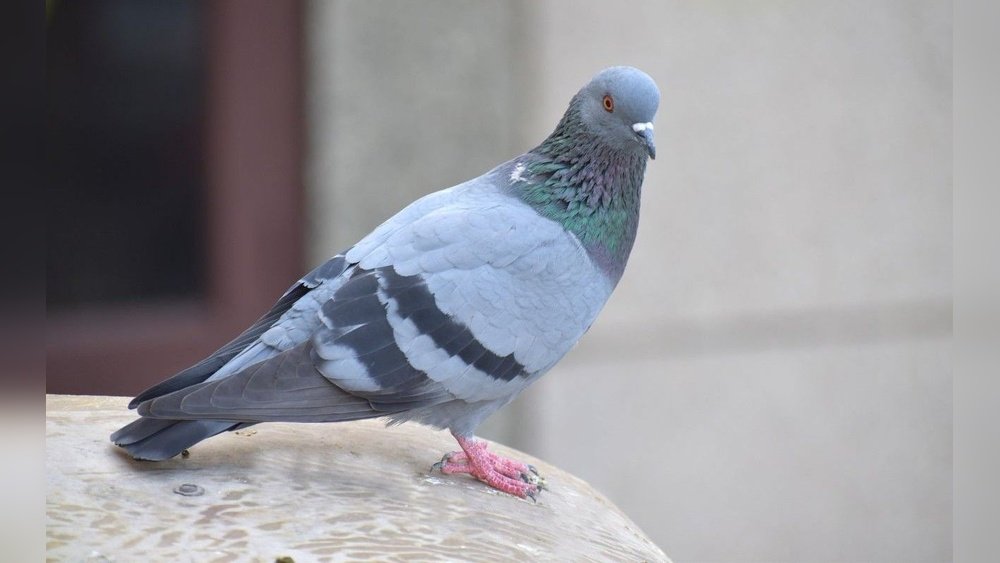
Homing pigeons have a sleeker body and stronger wings. These help them fly faster and farther than city pigeons. Their eyes and brain are also more developed for navigation. This makes them different from regular pigeons.

Credit: www.grit.com
Historical Roles
Homing pigeons have played important roles throughout history. People used these birds for communication and important missions. Their natural ability to return home made them valuable. This section explores their historical roles and how they helped humans in different times.
Ancient Communication
In ancient times, homing pigeons carried messages across long distances. Civilizations like Egypt and Rome used them to send news. They helped leaders share information quickly. Messages tied to their legs reached places where humans could not travel fast. This method was reliable before modern communication tools existed.
Military Use In Wars
Homing pigeons served a critical role during wars. Armies used them to send secret messages from battlefields. Soldiers trusted pigeons to deliver vital information safely. These birds saved lives by providing fast communication. Both World War I and World War II saw extensive use of pigeons. Their service helped coordinate military operations and rescue missions.
Navigation Skills
Homing pigeons have amazing navigation skills. They can find their way home from hundreds of miles away. Scientists have studied how they do this. Their navigation uses several natural methods. These include sensing the Earth’s magnetic field, recognizing visual landmarks, and using the sun and stars for direction.
Magnetic Field Detection
Homing pigeons sense the Earth’s magnetic field like a built-in compass. Special cells in their brains detect magnetic signals. This helps them know which way to fly. Even on cloudy days or when landmarks are hidden, pigeons still find their way. Magnetic field detection guides them over long distances.
Visual Landmarks
Pigeons remember visual landmarks along their route. They use buildings, rivers, and mountains to guide them. These landmarks act like road signs in the sky. Pigeons learn these signs during training flights. Spotting familiar places helps them stay on course and reach home faster.
Sun And Star Positioning
The sun plays a big role in pigeon navigation during the day. Pigeons use the sun’s position to judge direction. They also use the stars to navigate at night. This ability helps them fly even when magnetic cues are weak. Sun and star positioning gives pigeons an extra layer of navigation help.
Credit: www.birdnote.org
Training And Handling
Training and handling homing pigeons requires patience and consistency. These birds need proper care from an early age. Their natural ability to find their way home improves with practice. Handling them gently helps build trust and makes training easier.
Raising Homing Pigeons
Start raising pigeons in a clean, safe loft. Provide fresh water and nutritious food daily. Let young pigeons get used to the loft before any training. Spend time with them to reduce fear of humans. A calm environment helps pigeons feel secure and healthy.
Training Techniques
Begin training by releasing pigeons near the loft. Gradually increase the distance over time. Use consistent signals to help them recognize home. Training flights should be short at first and longer later. Reward successful returns with food or praise. Regular training strengthens their homing instinct.
Caring For Injured Birds
Injured pigeons need immediate attention. Gently catch the bird and place it in a quiet space. Check for visible wounds and clean them carefully. Contact a vet if injuries are serious. Keep the bird warm and provide water. Proper care improves chances of full recovery.
Modern Applications
Homing pigeons have found new roles in today’s world beyond their old uses. Their unique ability to return home over long distances makes them valuable for various tasks. People use these birds in sports, science, and even for special message delivery. Each application shows how these birds still matter.
Racing And Sport
Homing pigeons are popular in racing competitions. Owners train their birds to fly back home from far places. These races test the pigeons’ speed and navigation skills. The sport attracts many enthusiasts worldwide. It also helps preserve the breed and its special talents.
Scientific Research
Scientists study homing pigeons to learn about animal navigation. These birds use the Earth’s magnetic field and other cues to find their way. Research on pigeons helps understand brain function and orientation. This knowledge can aid in developing new technology and improving wildlife conservation.
Message Delivery Today
Though rare, some people still use homing pigeons to send messages. They are useful in places without internet or phone signals. Emergency teams sometimes use pigeons to deliver important information. Their reliability in tough conditions keeps this tradition alive.
Challenges And Threats
Homing pigeons face many challenges and threats in their natural and urban environments. These factors affect their survival and ability to navigate home. Understanding these threats helps protect these remarkable birds and supports their continued use in communication and sport.
Predators And Hazards
Homing pigeons are vulnerable to many predators. Birds of prey, such as hawks and falcons, often hunt them during flight. Cats and other ground predators attack pigeons when they rest or nest.
Man-made hazards also pose risks. Collisions with buildings, vehicles, and power lines cause injuries and deaths. Pollution and pesticides can weaken their health and reduce their lifespan.
Environmental Changes
Changes in the environment disrupt homing pigeons’ natural behaviors. Urban growth reduces green spaces and safe resting spots. Noise and light pollution interfere with their navigation and communication.
Climate change affects weather patterns, creating harsh conditions during flights. Extreme heat, storms, and strong winds increase the difficulty of long-distance travel. These changes threaten their ability to find their way home safely.
:max_bytes(150000):strip_icc()/102125380-2000-834f584b64884bc9be28634f25886493.jpg)
Credit: www.agriculture.com
Frequently Asked Questions
What Is The Purpose Of A Homing Pigeon?
Homing pigeons carry messages by flying back to their home loft over long distances. People use them for reliable communication.
What’s The Difference Between A Pigeon And A Homing Pigeon?
A homing pigeon is a domesticated pigeon bred to return home over long distances. Regular pigeons lack this trained navigation ability.
What Happens If You Find A Homing Pigeon?
Find a homing pigeon? Gently catch it and bring indoors for safety. Contact local pigeon clubs or owners to help return it home. Avoid feeding or releasing it immediately.
How Do Homing Pigeons Know Where To Go?
Homing pigeons navigate using Earth’s magnetic field, the sun’s position, and visual landmarks. Their brain processes these cues to find home accurately.
Conclusion
Homing pigeons have helped humans for thousands of years. They find their way home using natural abilities. These birds played roles in history and communication. Many people still appreciate their unique skills today. Understanding homing pigeons shows nature’s amazing wonders.
Their story continues to inspire curiosity and respect.