

Have you ever wondered what makes racing pigeons so special? These remarkable birds aren’t just ordinary pigeons you see in the park.
Racing pigeons are athletes of the sky, bred and trained to fly incredible distances at impressive speeds—all while finding their way home with amazing precision. If you’re curious about how these feathered champions navigate vast distances, what sets them apart from regular pigeons, and why people invest so much time and care into their training, you’re in the right place.
Keep reading to uncover the fascinating world of racing pigeons and discover why this unique sport continues to captivate enthusiasts around the globe.
Racing Pigeons Basics
Racing pigeons are a unique type of bird bred for speed and navigation. They belong to the homing pigeon family. These birds have a natural ability to find their way home over long distances. People around the world raise and train them for competitive races. Understanding the basics of racing pigeons helps appreciate their special qualities.
What Sets Them Apart
Racing pigeons differ from regular pigeons in many ways. They have stronger muscles designed for fast flight. Their endurance allows them to fly hundreds of miles without rest. These pigeons also have a sharp sense of direction. This skill helps them return home from unfamiliar locations quickly.
Physical Traits
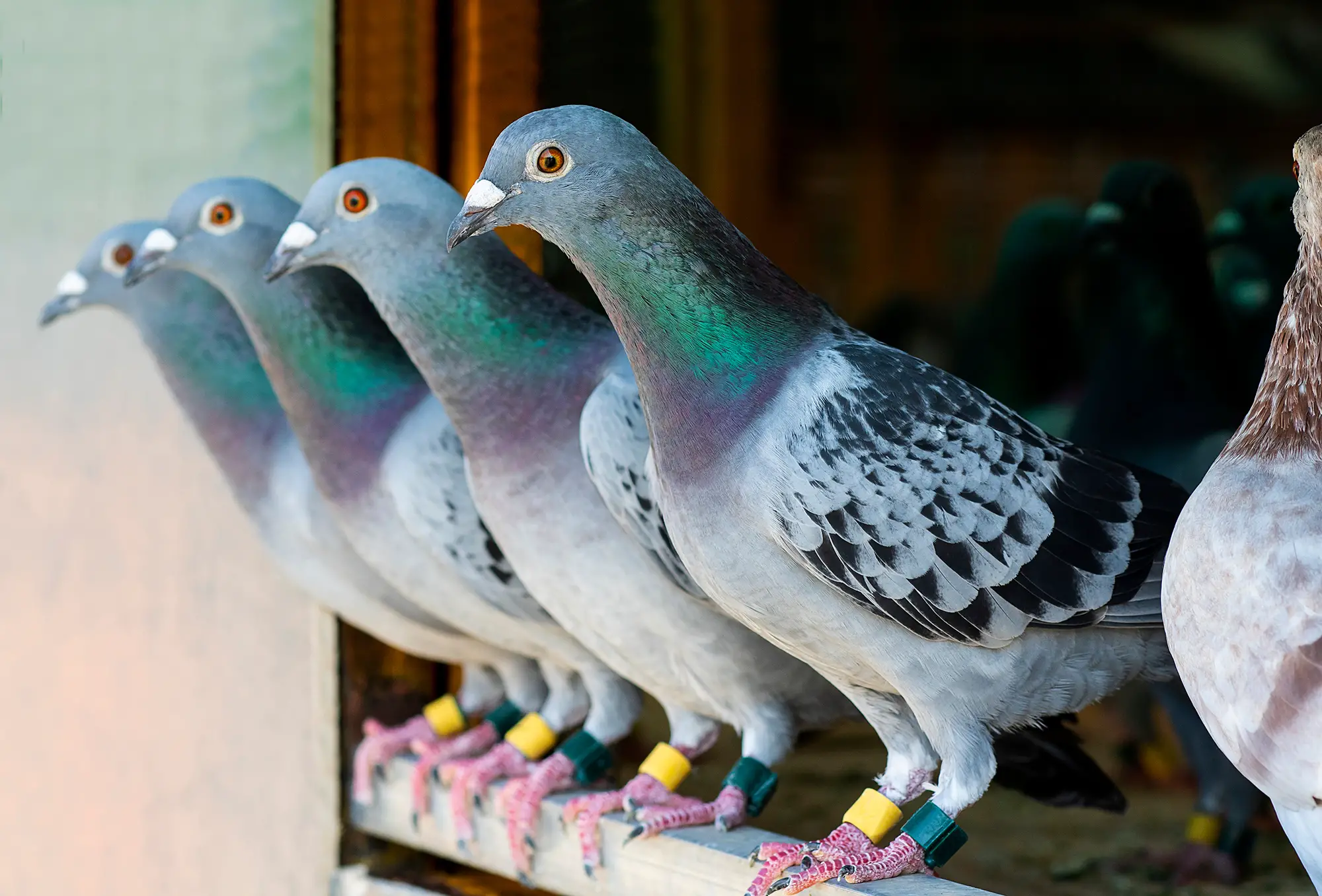
Racing pigeons have sleek bodies and powerful wings. Their feathers are smooth and tightly packed for better aerodynamics. They tend to have bright eyes and strong beaks. Their legs are muscular, helping them take off swiftly. These traits work together to boost their flying ability.
Identification Methods
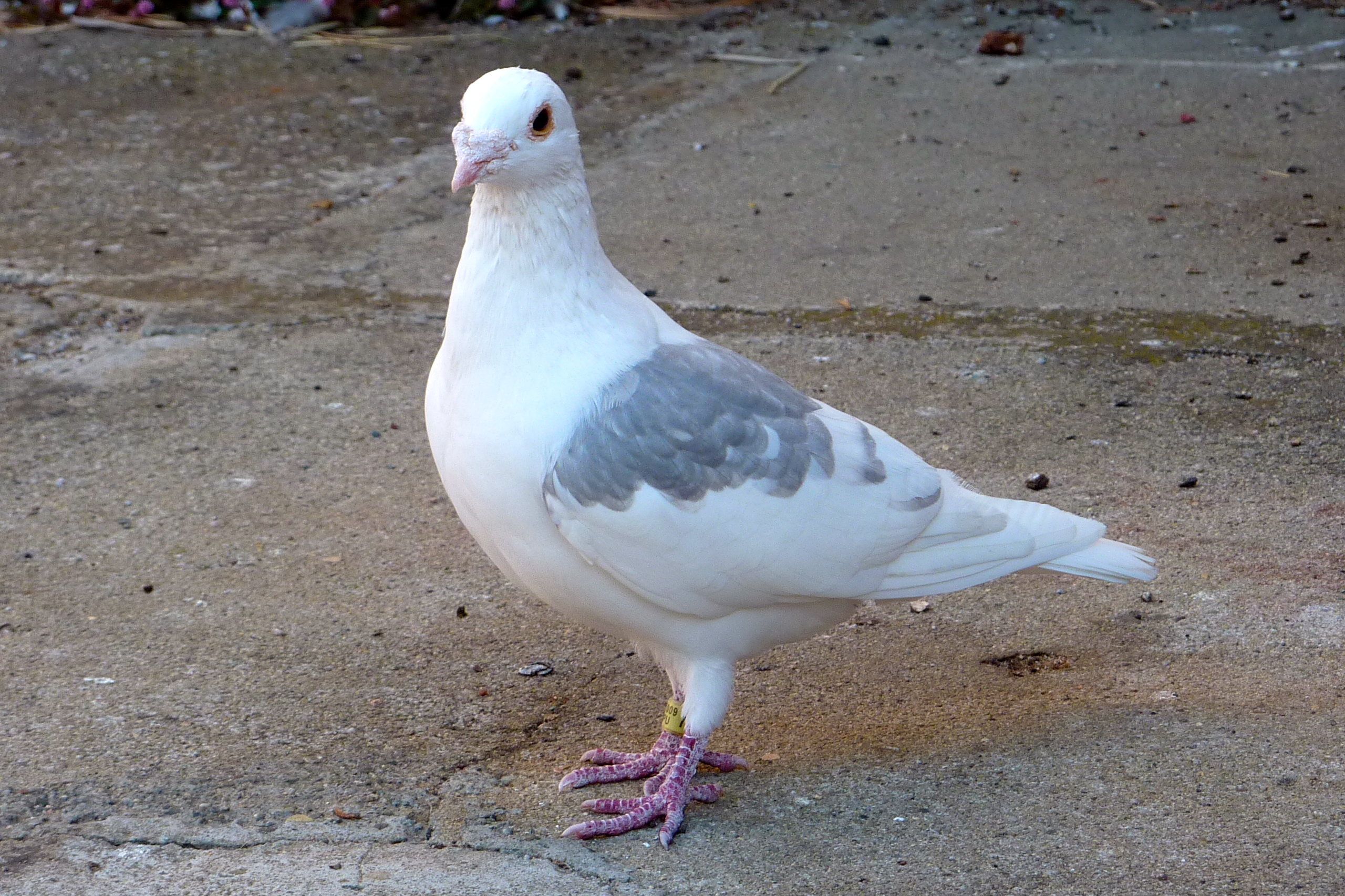
Owners often tag racing pigeons with unique bands on their legs. These bands contain numbers or codes for easy identification. Some pigeons may carry electronic rings that track their race times. Visual markings, like feather patterns, also help recognize individual birds. Proper identification is crucial for fair competition and care.
Credit: www.pigeonrescue.org
Speed And Navigation
Speed and navigation define the essence of racing pigeons. These birds are not just fast flyers; they possess extraordinary skills to find their way home over vast distances. Their remarkable ability to combine speed with precise navigation makes pigeon racing a thrilling and unique sport.
Magnetic Sense Compass
Racing pigeons have a natural magnetic sense. Tiny sensors in their beaks or brains detect Earth’s magnetic field. This acts like an internal compass guiding them during flight. Even in unfamiliar areas, pigeons use this magnetic sense to find the right direction. This ability is crucial for their success in long races.
Flight Patterns
Pigeons follow specific flight patterns to save energy and maintain speed. They often fly in groups, using aerodynamic formations. These patterns help reduce wind resistance and keep them steady. Pigeons also adjust their routes based on weather and terrain. Smart flying ensures they reach home quickly and safely.
Winning Strategies
Top racing pigeons use a mix of speed and navigation skills to win. Trainers prepare birds with timed flights to build endurance. They release pigeons from different locations to improve their homing ability. Understanding wind, weather, and geography also plays a key role. These strategies boost chances of crossing the finish line first.
Training Techniques
Training racing pigeons requires careful methods that improve their natural skills. The right techniques build stamina, sharpen navigation, and maintain health. Consistent practice and good care help pigeons perform well in races. Each part of training focuses on key abilities needed for success.
Building Endurance
Endurance is vital for racing pigeons to fly long distances. Trainers start with short flights near the home loft. Gradually, they increase the distance over days and weeks. Regular exercise strengthens muscles and improves stamina. Flying in various weather conditions also prepares pigeons for race day challenges.
Homing Instinct Development
Homing instinct guides pigeons back to their loft from far away. Trainers release young birds from locations a few miles away. This practice teaches them to find the way home. Over time, the distance increases to build confidence and skill. Some use landmarks and natural cues to enhance navigation ability.
Diet And Care
Proper diet supports energy and recovery after flights. Racing pigeons eat grains, seeds, and specially formulated mixes. Clean water must be available at all times. Regular health checks prevent illness and injury. Keeping lofts clean and safe creates a stress-free environment for training.
Credit: racingpigeonsport.com
Racing Process
The racing process tests the skill, training, and endurance of racing pigeons. It involves precise steps that help these birds compete fairly and safely. Each phase plays a key role in determining the winner and ensuring a smooth race.
Release And Orientation
Racing pigeons are taken to a common release point far from their home loft. They are then released all at once to start the race. The birds use their natural homing ability to find the way back.
They rely on the earth’s magnetic field and the position of the sun to navigate. This helps them fly directly towards their home. The release point is chosen carefully to ensure equal distance for all competitors.
Timing And Scoring
Each pigeon carries a timing device or band. This records the exact time the bird leaves the release point and returns to its loft. The clock starts the moment of release and stops when the pigeon arrives home.
The fastest bird to complete the distance wins the race. Modern electronic timing systems make scoring accurate and quick. This technology also reduces errors compared to older manual methods.
Race Distances
Race distances vary depending on the competition rules and bird capabilities. Short races can be around 100 kilometers, while long-distance races reach up to 1,000 kilometers or more.
Longer races test endurance and navigation skills deeply. Different distances challenge the birds in unique ways, making the sport exciting and diverse for trainers and fans.
Breeding And Genetics
Breeding and genetics shape the excellence of racing pigeons. Careful selection of parent birds ensures strong offspring. This process focuses on improving speed, stamina, and navigation skills. Breeders use knowledge of genetics to enhance these traits over generations.
Selective Breeding
Selective breeding pairs pigeons with desired qualities. Breeders choose birds with proven speed and homing ability. They avoid pairing pigeons with weak traits. This method strengthens the gene pool and raises race performance. Over time, selective breeding produces faster and smarter pigeons.
Famous Bloodlines
Some bloodlines are prized for their racing success. These lines have produced many champion pigeons. Examples include Verkerk, Rozier, and Koopman families. Birds from these bloodlines often cost more due to their proven genetics. Breeders seek these lines to improve their flocks.
Genetic Traits
Key genetic traits include endurance, speed, and homing instinct. Pigeons inherit these traits from their parents. Strong muscles and efficient metabolism aid in long flights. A sharp homing sense helps pigeons find their way home. Genetic diversity also reduces disease risk in flocks.
Market And Value
The market for racing pigeons is vibrant and diverse. These birds are prized not only for their speed but also for their bloodlines and training. Their value can range widely depending on many factors. Collectors, racers, and breeders all play roles in shaping this market. Understanding how pricing works helps appreciate the passion behind pigeon racing.
Price Ranges
Racing pigeons cost from as low as $50 to thousands of dollars. Common pigeons for amateur racers often sell between $100 and $500. Elite birds with strong pedigrees and proven race records can fetch prices above $10,000. Some rare champions even sell for over $100,000. Prices reflect the bird’s potential and past achievements.
Factors Affecting Value
Several factors influence a racing pigeon’s worth. Pedigree is key; birds from famous families demand higher prices. Performance in races adds value, especially for long-distance winners. Genetics also matter, as buyers seek birds likely to produce champion offspring. Market demand affects prices, with strong interest from countries like China pushing values higher.
Record Sales
Record sales highlight the high stakes in pigeon racing. “New Kim” sold for $1.9 million, setting a world record. Another champion, “Armando,” fetched about $1.3 million. “Golden Prince” was sold for over $400,000. “Nadine,” a top breeder, reached nearly $130,000. These sales show the immense value placed on top racing pigeons worldwide.
Pigeon Racing Culture
Pigeon racing culture is a vibrant world blending tradition, sport, and passion. It attracts people from many countries who share a love for these remarkable birds. The culture revolves around breeding, training, and competing with racing pigeons. Every part of this culture highlights respect for the birds and the excitement of the races. It creates strong communities and lifelong friendships among fanciers.
Global Popularity
Pigeon racing enjoys widespread appeal across continents. Countries like Belgium, China, and the United States have large groups of enthusiasts. The sport crosses cultural and language barriers easily. In many places, races are organized regularly, drawing hundreds of participants. This global presence keeps the culture alive and growing.
Community And Competitions
Competitions form the heart of pigeon racing culture. Local clubs and international events offer chances to race and connect. These gatherings foster friendly rivalry and teamwork among owners. Members share tips on training, health, and breeding. The community supports beginners and celebrates champions alike.
Owner-bird Bond
The bond between owners and their pigeons is deep and unique. Training requires patience, care, and trust. Owners learn to read their birds’ behavior and needs. This connection improves the pigeons’ performance during races. It also enriches the experience beyond just winning.

Credit: www.independent.co.uk
Frequently Asked Questions
What Is The Point Of Racing Pigeons?
Racing pigeons test speed, endurance, and navigation skills. The sport showcases breeding, training, and the bond between owners and birds. It offers competition, excitement, and pride in raising champion birds.
How Do You Know If A Pigeon Is A Racing Pigeon?
Racing pigeons have sleek, athletic bodies and strong homing instincts. They wear a leg band for identification. Trained for speed and endurance, they quickly fly back to their home loft in races.
How Do Racing Pigeons Know Where To Fly To?
Racing pigeons navigate home using magnetic sensors in their beaks or brains that detect Earth’s magnetic field. They also use the sun, landmarks, and smell to orient themselves. This unique combination guides them accurately, even over unfamiliar terrain, ensuring they fly straight back to their home loft.
What Is The Average Cost Of A Racing Pigeon?
The average cost of a racing pigeon ranges from $100 to $1,000. Top champions can sell for thousands.
Conclusion
Racing pigeons are amazing birds with strong homing skills. They fly long distances and return quickly to their home. These pigeons are bred and trained for speed and endurance. Their unique abilities make pigeon racing an exciting sport worldwide. Understanding these birds helps appreciate their talent and the effort behind their training.
Whether for sport or hobby, racing pigeons show a special bond with their owners. Their speed and navigation skills continue to fascinate many people today.