

You love your cat, and you want them to be happy and healthy. But keeping a cat entertained for hours can sometimes feel like a challenge.
If your feline friend is bored, they might start scratching furniture, meowing nonstop, or showing other signs of frustration. The good news? You can easily turn your home into a playground that keeps your cat engaged and mentally sharp. You’ll discover simple, practical ways to capture your cat’s attention and keep them happily entertained—no matter how long your day is.
Ready to see your cat purring with joy and full of energy? Let’s dive in!
Credit: www.petmate.com
Cat Hunting Games
Cat hunting games tap into your cat’s natural instincts. These games keep your cat active and mentally sharp. Hunting games reduce boredom and stress in indoor cats. They mimic real hunting behaviors, making playtime fun and fulfilling.
Hide Treats Around The House
Hide small treats in different spots around your home. Your cat will use its nose and paws to find them. This simple game encourages your cat to explore and stay busy. Change hiding places often to keep it exciting. It also helps your cat practice problem-solving skills.
Use Feather And Laser Toys
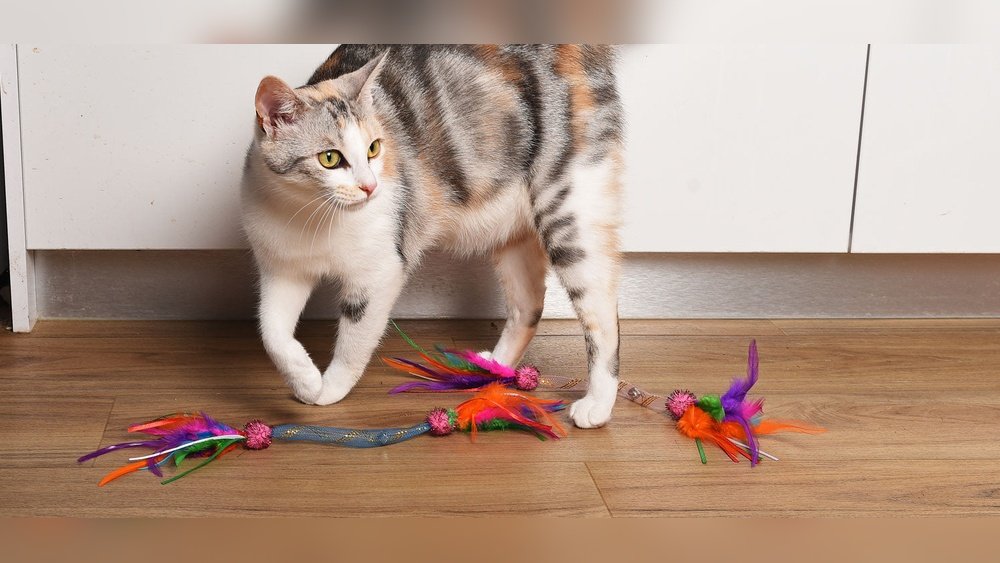
Feather toys mimic the movement of birds. Wave them slowly or quickly to catch your cat’s attention. Laser pointers create a fast-moving light spot your cat can chase. Both toys encourage your cat to jump, pounce, and run. These activities improve your cat’s physical health and coordination.
Interactive Toys
Interactive toys are excellent for keeping cats active and happy. They challenge your cat’s mind and body. Playing with these toys prevents boredom and destructive behavior. Cats enjoy toys that move or offer rewards. Interactive toys also strengthen the bond between you and your cat. Choose toys that match your cat’s personality and energy level.
Treat-dispensing Puzzles
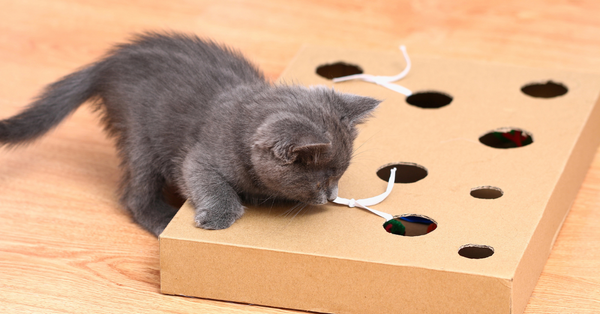
Treat-dispensing puzzles make cats think hard to get food. These toys hide treats inside compartments or mazes. Cats use their paws and noses to solve puzzles. This type of play stimulates their brain and body. It also slows down their eating, which is healthy. Your cat will enjoy the challenge and reward. These puzzles can keep your cat busy for a long time.
Automated Moving Toys
Automated moving toys mimic small animals or insects. They move unpredictably, sparking a cat’s hunting instincts. These toys encourage chasing, pouncing, and jumping. Your cat gets exercise while having fun. Many automated toys run on batteries or USB power. They offer fun even when you are not home. Choose toys with safe materials and smooth movements for your cat.
Scratching And Climbing
Scratching and climbing are natural behaviors that keep cats active and happy. These activities help cats stretch muscles and sharpen claws. They also provide mental stimulation and reduce stress. Creating the right environment encourages your cat to scratch and climb safely. This keeps furniture safe and your cat entertained for hours.
Provide Scratching Posts
Scratching posts satisfy a cat’s need to scratch. Choose posts covered with sisal or carpet. These materials are perfect for claw sharpening. Place posts in areas your cat visits often. Encourage use by rubbing catnip on the posts. Rotate posts to keep your cat interested. Multiple posts prevent boredom and protect furniture.
Set Up Cat Trees And Shelves
Cat trees and shelves give your cat places to climb and perch. Cats enjoy high spots to watch their surroundings. Choose sturdy trees with platforms, hiding spots, and ramps. Wall shelves create vertical paths that cats love. Arrange shelves at different heights for climbing fun. These setups provide exercise and mental challenges. Cats feel safe and entertained with climbing options.
Training And Tricks
Training your cat offers a fun and rewarding way to keep them active. It sharpens their mind and strengthens your bond. Cats enjoy learning new things, especially when treats are involved.
Teaching tricks and commands challenges your cat and helps prevent boredom. It also provides mental stimulation, which is vital for indoor cats. Training sessions can be short but frequent to hold their interest.
Teach Simple Commands
Start with easy commands like “sit” or “come.” Use a clear, calm voice and repeat the command consistently. Reward your cat with treats or praise when they respond correctly. Keep training sessions short, about five minutes, to keep your cat focused.
Patience is key. Some cats learn faster than others. Celebrate small successes and avoid forcing your cat to perform. Simple commands build a foundation for more complex tricks later.
Use Clicker Training
Clicker training uses a small device that makes a clicking sound. The click marks the exact moment your cat does something right. Follow the click with a treat to reinforce the behavior.
Begin by clicking and treating to help your cat understand the sound means a reward is coming. Then add commands or actions to the process. Clicker training improves communication between you and your cat.
This method is effective and fun. It keeps your cat engaged and makes learning clear. Regular practice will help your cat enjoy training and stay entertained for hours.
Social Playtime
Social playtime keeps your cat active and happy. Cats enjoy interaction with humans and other pets. It helps reduce boredom and stress. Social play also strengthens your bond with your cat. Incorporate social activities into your daily routine to keep your cat entertained for hours.
Schedule Regular Play Sessions
Set specific times each day for play. Short, frequent sessions work best for cats. Use toys like feather wands or laser pointers. Play sessions help burn energy and keep your cat alert. Consistency makes your cat look forward to playtime. It also creates a routine that feels safe and fun.
Encourage Safe Interaction With Other Pets
Introduce new pets slowly and carefully. Watch body language to avoid stress or fights. Use separate spaces at first and swap scents. Supervise their first meetings closely. Positive experiences build trust between pets. Safe social play reduces loneliness and encourages activity.
Credit: www.petsecure.com.au
Environmental Enrichment
Environmental enrichment plays a big role in keeping your cat happy and active. Cats need mental and physical stimulation to avoid boredom. A well-enriched space makes your cat curious and engaged. It also reduces stress and unwanted behaviors. You can create a fun and safe environment by adding simple elements to your home. These ideas help your cat explore and play for hours.
Create Window Perches
Window perches let your cat watch outside activity safely. Place a sturdy shelf or cat bed near a window. Your cat can watch birds, cars, and people. This natural entertainment keeps their mind sharp. Sunlight from the window also provides warmth and comfort. Change the view by moving the perch occasionally. It offers new sights to keep your cat interested.
Rotate Toys Frequently
Rotating toys prevents your cat from getting bored. Keep a collection of different toys like balls, feathers, and tunnels. Offer only a few toys at a time. After a few days, swap them out with others. This keeps playtime fresh and exciting. Your cat will stay curious and eager to play. Clean toys regularly to keep them safe and appealing.
Signs Of Boredom
Cats need mental and physical activity every day. Without it, they show signs of boredom. Recognizing these signs helps keep your cat happy and healthy. Bored cats may act differently than usual.
Watch for changes in behavior and mood. These clues tell you when your cat needs more play and stimulation.
Excessive Meowing Or Vocalization
Too much meowing is a common boredom sign. Your cat may cry loudly or often without reason. This behavior can be a call for attention or play. Respond by providing toys or interactive games. It helps to calm their restless energy.
Destructive Scratching And Chewing
Bored cats scratch furniture or chew items more than usual. They need an outlet for their natural instincts. Without proper toys, they turn to household items. Offer scratching posts and safe chew toys. This protects your belongings and satisfies your cat’s needs.
Overgrooming And Bald Spots
Some cats groom themselves too much when bored. This leads to bald patches and skin irritation. Overgrooming is a stress response. Keep your cat entertained to reduce this behavior. Regular playtime helps keep your cat calm and healthy.
Restlessness And Zoomies
Sudden bursts of energy, called zoomies, show boredom or excess energy. Your cat runs, jumps, and plays wildly. These episodes need a good outlet. Provide active toys and play sessions. It helps your cat release energy safely and happily.
Adjusting Activities
Adjusting activities keeps your cat interested and happy. Cats have different energy levels at different times. Changing play styles helps match their mood. It prevents boredom and keeps them active.
Match Play To Cat’s Energy Level
Notice when your cat is calm or energetic. For high energy, try active games like chasing a laser or toy. When they are calm, gentle petting or puzzle toys work best. Matching play to energy avoids stress and overexertion. Observe their signals to choose the right game.
Mix Mental And Physical Stimulation
Cats need both brain challenges and exercise. Use puzzle feeders to make them think. Hide treats for your cat to find and hunt. Combine these with toys that encourage running and jumping. This balance keeps your cat sharp and physically fit. Mixing activities prevents boredom and improves their well-being.

Credit: www.livanova.co.jp
Frequently Asked Questions
How To Entertain A Cat For Hours?
Engage your cat with treat-hiding games, interactive toys, and scratching posts. Use puzzle feeders to stimulate their mind and body. Rotate toys regularly to keep interest high. Provide climbing structures and schedule daily play sessions for lasting entertainment.
What Is The 3 3 3 Rule For Cats Moving?
The 3-3-3 rule for cats moving means: 3 days in a quiet room, 3 weeks to adjust to the home, and 3 months to fully settle. It helps reduce stress and build trust during relocation.
How Do I Tell If My Cat Is Understimulated?
Signs of an understimulated cat include excessive meowing, destructive scratching, overgrooming, restlessness, lethargy, and appetite changes. Provide toys, climbing areas, and regular play to boost mental and physical engagement.
Do Cats Get Bored Being Inside All Day?
Yes, cats can get bored indoors without stimulation. Provide toys, scratching posts, and playtime to keep them mentally and physically active.
Conclusion
Keeping your cat busy helps prevent boredom and stress. Use toys that encourage hunting and climbing. Change games often to keep things fresh and fun. Pay attention to your cat’s reactions. This way, you know what they enjoy most. Remember, happy cats are healthy cats.
Spend time playing daily to build a strong bond. Small efforts bring big joy to your furry friend. Keep exploring new ideas to entertain your cat. Your cat will thank you with love and purrs.
