

Are you thinking about adding a furry friend to your life but want to make sure you choose the best cat for your lifestyle as a senior? Finding the perfect cat can bring comfort, companionship, and even boost your well-being.
But not all cats are the same—some breeds are more calm, loving, and easy to care for, making them ideal for seniors like you. You’ll discover which cats fit your needs best, how they can improve your daily life, and what to consider before bringing one home.
Keep reading to find the perfect purring companion that will brighten your days and offer gentle friendship.
Benefits For Seniors
Having a cat can bring many benefits to seniors. Cats offer comfort and joy, helping to improve daily life. Their presence supports emotional and physical health in simple, meaningful ways. Understanding these benefits can help seniors choose the right feline companion.
Companionship And Emotional Support
Cats provide constant companionship. They reduce feelings of loneliness and isolation. Their quiet presence brings calm and comfort. Many seniors find emotional support through petting and caring for a cat. This bond helps lift mood and fosters a sense of purpose.
Mental Stimulation And Routine
Caring for a cat creates a daily routine. Feeding, grooming, and playtime keep the mind active. These tasks give seniors structure and responsibility. Interaction with a cat can boost alertness and focus. This mental engagement helps maintain cognitive health.
Light Physical Activity
Playing with a cat encourages gentle movement. Activities like tossing toys or scooping litter keep seniors lightly active. These small tasks promote better mobility and flexibility. Regular light exercise supports overall well-being. Cats motivate seniors to stay physically engaged.
Stress And Blood Pressure Reduction
Petting a cat has calming effects on the body. It can lower stress levels and reduce blood pressure. The soothing rhythm of stroking fur relaxes the nervous system. This stress relief contributes to heart health. A calm cat companion helps create a peaceful home environment.
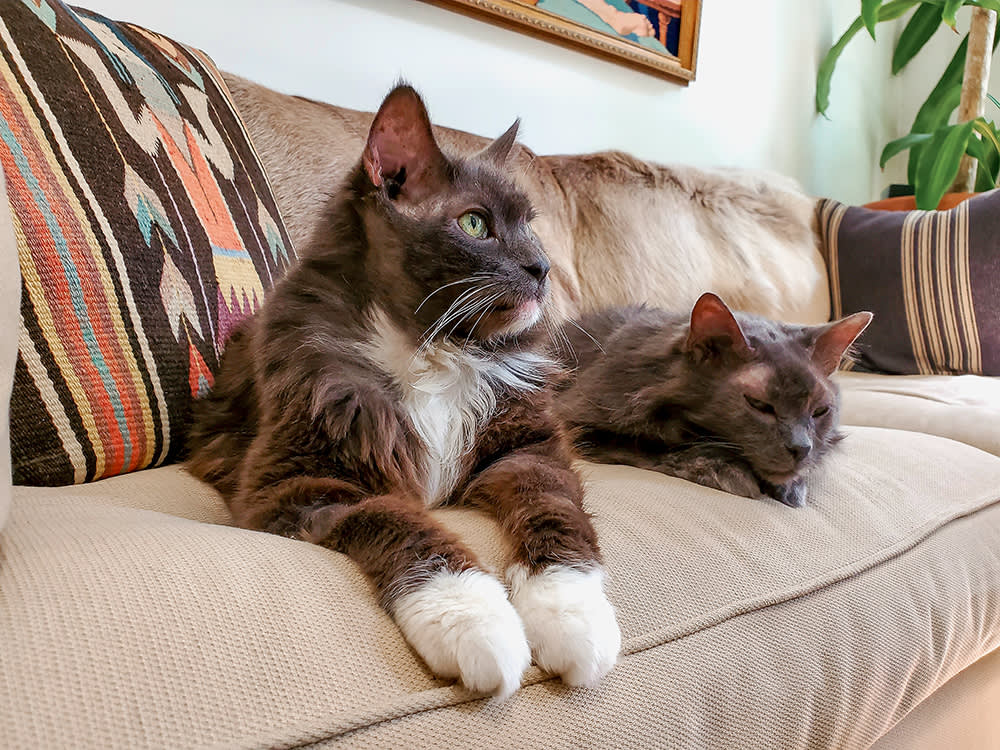
Credit: www.kinship.com
Choosing The Right Cat
Choosing the right cat is key for seniors seeking companionship. It ensures a happy, stress-free relationship. Seniors need cats that suit their lifestyle and energy levels. Thoughtful selection helps avoid future challenges and builds a lasting bond.
Adopt Adult Or Senior Cats
Adult and senior cats usually have calmer behavior. They often come house-trained and know basic routines. Their personalities are clear, making it easier to find a good match. These cats may need less playtime and adapt well to quiet homes.
Match Cat Personality To Owner
Each cat has a unique personality. Some cats are shy and prefer quiet spaces. Others enjoy attention and love to cuddle. Seniors should spend time with cats to see who fits best. Matching personalities improves comfort and happiness for both.
Consider Cat’s Activity And Affection Levels
Activity levels vary among cats. Some are playful and energetic, while others rest most of the day. Affection levels also differ; some cats seek constant contact, others are more independent. Choosing a cat with the right activity and affection level suits the senior’s pace and lifestyle.
Top Cat Breeds For Seniors
Choosing the right cat breed can greatly improve a senior’s quality of life. Some breeds are calm, gentle, and require less maintenance. These traits help seniors enjoy companionship without added stress. The following cat breeds suit seniors well. They are known for their friendly nature and easy care.
Scottish Fold
Scottish Folds are calm and affectionate cats. Their unique folded ears give them a charming look. They enjoy quiet environments and gentle petting. These cats adapt well to seniors who prefer a relaxed pet.
Maine Coon
Maine Coons are large, friendly cats with thick fur. They are playful but not too demanding. These cats love to be near their owners and offer loyal companionship. Their gentle nature makes them ideal for seniors.
American Shorthair
American Shorthairs are known for their easygoing temperament. They are healthy, low-maintenance cats that adapt well to many homes. These cats enjoy mild play and plenty of rest, fitting well with senior lifestyles.
Russian Blue
Russian Blues have a soft coat and shy personality. They bond closely with their owners and prefer calm settings. Their quiet nature suits seniors who want a peaceful pet to relax with.
Siamese
Siamese cats are vocal and social. They enjoy interaction and mental stimulation. These cats provide lively companionship and respond well to gentle play. They suit seniors who want an active, loving cat.
Burmese
Burmese cats are affectionate and playful. They crave attention and form strong bonds. These cats are good for seniors who enjoy spending time with a loving pet. Their moderate energy matches many seniors’ pace.
Persian
Persians have long, luxurious fur and calm personalities. They prefer quiet homes and gentle handling. These cats require regular grooming but offer deep companionship for seniors who enjoy pampering their pets.
Birman
Birmans are friendly and intelligent cats. They enjoy lounging and staying close to their owners. Their calm demeanor and affectionate nature make them excellent companions for seniors.
Ragdoll
Ragdolls are known for their relaxed, docile nature. They often go limp when held, showing trust and comfort. These cats enjoy cuddling and are perfect for seniors seeking a calm, loving pet.
British Shorthair
British Shorthairs are sturdy cats with a quiet personality. They are independent but enjoy affection on their terms. These cats fit well with seniors wanting a low-maintenance yet loyal companion.
Siberian
Siberians have thick, hypoallergenic fur and playful spirits. They are friendly and adapt well to different homes. These cats provide active yet gentle companionship, suitable for seniors who like interaction.

Credit: www.medigap.com
Caring For Senior Cats
Caring for senior cats requires special attention and love. Older cats have unique needs that differ from younger cats. Meeting these needs helps keep them happy and healthy. It also strengthens the bond between the cat and its owner.
Senior cats may need more frequent vet visits and gentle care. Their diet and grooming habits often change. Mobility might become a challenge, so adapting the home environment is important. Understanding these areas is key to providing the best care.
Health And Vet Care Needs
Senior cats need regular health check-ups. These visits help catch diseases early. Common issues include arthritis, kidney problems, and dental disease. Vaccinations and parasite control remain important. Monitor your cat’s behavior and appetite for changes. Early detection improves treatment success.
Nutrition And Diet Tips
Older cats have different nutritional needs. Feed food designed for senior cats. These diets support joint health and kidney function. Avoid overfeeding to prevent obesity. Provide fresh water at all times. Consult your vet about supplements or special diets.
Grooming And Coat Maintenance
Senior cats may groom less. Help by brushing their coat regularly. This prevents matting and hairballs. Check for skin changes or lumps. Grooming also offers comfort and bonding time. Trim nails carefully to avoid injury.
Mobility And Accessibility Aids
Older cats may struggle with jumping or climbing. Place food, water, and litter boxes on one level. Use ramps or steps to reach favorite spots. Soft bedding supports aching joints. Keep their environment quiet and safe to reduce stress.
Setting Up A Cat-friendly Home
Creating a welcoming and safe environment is key when setting up a cat-friendly home for seniors. It helps cats feel secure and comfortable. The right setup supports both the cat’s needs and the senior’s ease of care. Attention to quiet spaces, easy access to essentials, and thoughtful placement of items makes daily life smoother.
Quiet Safe Spaces
Cats need calm areas to relax and hide. Choose a quiet corner away from noise and busy activity. Soft bedding or a cozy cat bed offers comfort. These safe spaces reduce stress and help cats feel secure. For seniors, it means fewer disruptions and a peaceful pet.
Accessible Food And Water Stations
Place food and water bowls where cats can reach easily. Avoid high or hard-to-reach spots. Bowls should be stable and not easily tipped over. Fresh water is important, so refill daily. For seniors, this setup reduces bending and stretching, making feeding simple and quick.
Litter Box Placement
Keep litter boxes in quiet, private spots. Avoid busy hallways or noisy rooms. Ensure the box is easy to enter, especially for older cats. Low sides help cats with mobility issues. Cleaning should be easy for seniors to maintain hygiene without strain.
Use Of Ramps And Steps
Ramps and steps help cats reach favorite resting places. They support cats with joint or mobility problems. Soft, sturdy ramps prevent slips and falls. Seniors benefit from less lifting or carrying their cats. This also encourages cats to stay active safely around the home.
Helping Cats Adjust
Helping cats adjust to a new home is key for seniors adopting a feline friend. Cats often feel unsure in unfamiliar places. Patience and gentle care make the transition smoother. Understanding their behavior helps seniors support cats effectively. This section explains simple steps to help cats settle happily and safely.
Initial Stress Signs
New cats may hide or avoid people at first. They might hiss, growl, or swat gently. Some cats refuse to eat or use the litter box. Watch for trembling or excessive grooming. These signs show the cat feels stressed and needs space.
Creating A Safe Base Room
Set up one quiet room as the cat’s base. Include food, water, a litter box, and a cozy bed. Keep the room calm and free from loud noises. This small space gives the cat a safe place to relax. Let the cat explore this room at its own pace.
Gradual Territory Expansion
After a few days, open the door to other parts of the home. Allow the cat to explore slowly and carefully. Never force the cat to move too fast or too far. Keep doors to unsafe areas closed. Gradual expansion builds confidence and comfort.
Building Trust And Bonding
Spend quiet time near the cat without rushing interaction. Speak softly and offer treats or toys to encourage play. Let the cat come to you first for petting or attention. Regular gentle contact helps build trust. Over time, the bond grows stronger and more relaxed.

Credit: www.rearoadanimalhospital.com
Frequently Asked Questions
What Is The Best Cat For An Elderly Person?
The best cats for elderly people are calm, affectionate breeds like Scottish Fold, Ragdoll, and American Shorthair. Adult or senior cats suit seniors well due to their gentle nature and lower activity. These cats offer companionship, require moderate care, and adapt easily to a quiet home environment.
Should A 70 Year Old Get A Cat?
Yes, a 70-year-old can benefit from having a cat. Cats provide companionship, reduce stress, and encourage light activity. Choosing a calm, older cat suits seniors best. Ensure easy access to food, water, and litter boxes for convenience and safety.
What Is The Best Indoor Cat For Seniors?
The best indoor cats for seniors are calm, affectionate breeds like Ragdoll, British Shorthair, Maine Coon, and Russian Blue. Adopt adult or senior cats for their gentle nature and easy care. Choose cats that match the senior’s lifestyle to ensure comfort and companionship.
What Is The 3 3 3 Rule For Shelter Cats?
The 3-3-3 rule for shelter cats means: within 3 days, cats may hide; 3 weeks to adjust; and 3 months to fully settle in.
Conclusion
Choosing the right cat can bring joy and comfort to seniors. Calm and friendly breeds suit a relaxed lifestyle best. Adult or senior cats often fit well with elderly owners. They need less training and are usually gentle companions. Daily care offers routine, purpose, and light activity.
A cat’s presence can ease loneliness and reduce stress. Setting up accessible spaces helps both cat and owner stay safe. Enjoying time with a furry friend enriches life every day. A thoughtful match creates lasting happiness for seniors and cats alike.