
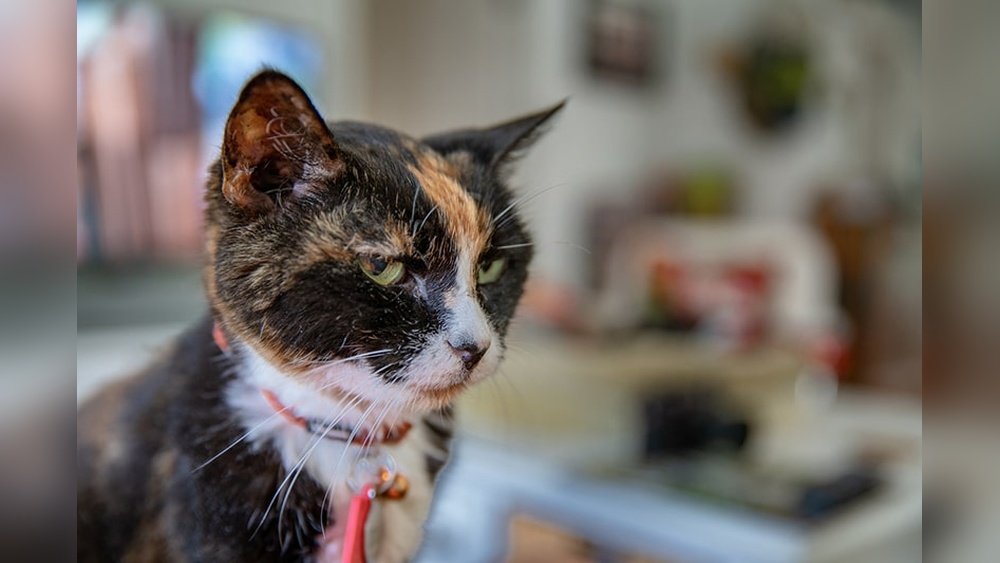
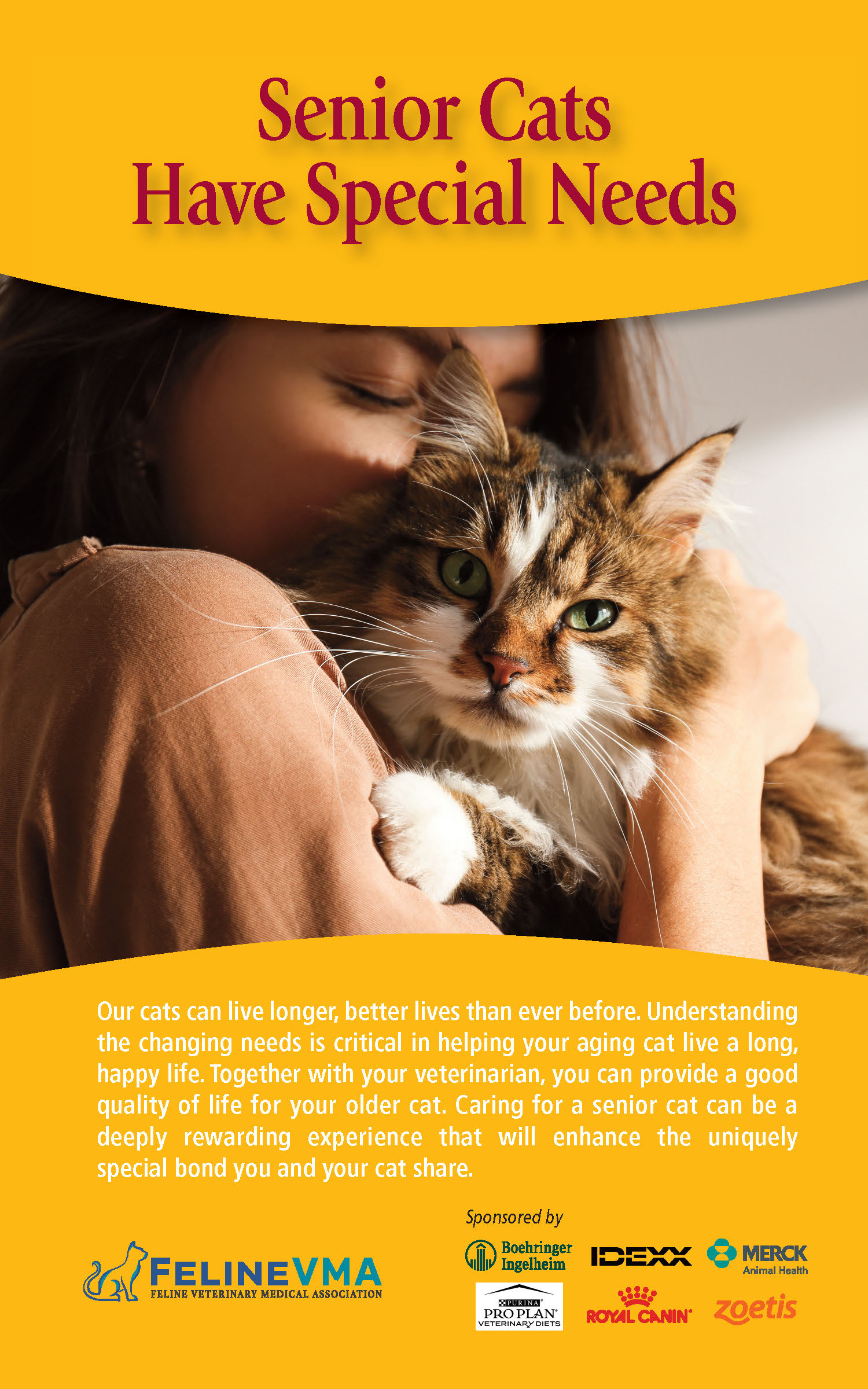
As your cat ages, you might notice changes in their behavior and health that signal they need a little extra care. Senior cats have unique needs that, when met, can help them stay comfortable, happy, and healthy for years to come.
Are you wondering what to watch for or how to adjust your care routine? Understanding what your senior cat needs—from diet and exercise to vet visits and comfort—can make a big difference in their quality of life. Keep reading to discover simple, effective ways to support your aging feline friend and ensure they feel loved and well cared for every day.
Credit: catfriendly.com
Senior Cat Life Stages
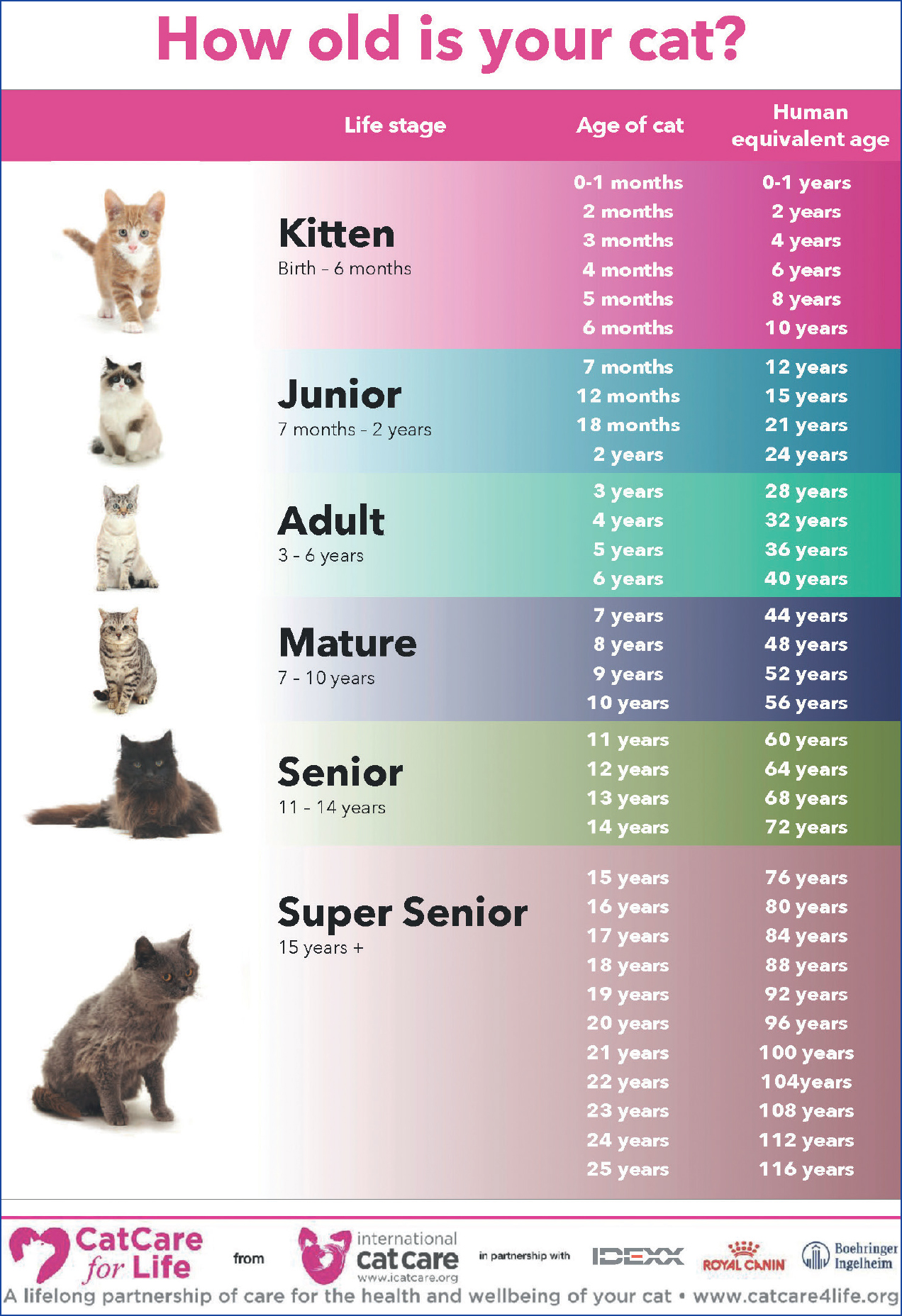
As cats grow older, they enter distinct life stages that need special care. Recognizing these stages helps owners meet their cat’s changing needs. Senior cats are usually those aged seven years or more. Their health, behavior, and activity levels evolve through these years.
Understanding each stage allows for better attention to diet, exercise, and medical care. This improves a cat’s quality of life and comfort in their later years.
Age Milestones
Senior cats often reach new milestones at seven, ten, and fifteen years. At seven, they may start showing early signs of aging. By ten, many cats slow down and need more rest. At fifteen, they enter their geriatric stage and require close health monitoring.
Each milestone marks changes in their physical and mental state. Regular vet visits become crucial to track these changes and adjust care plans.
Physical Changes
Older cats show many physical changes. Their coat may become thinner or dull. Eyes might look cloudy or watery. Teeth often develop tartar or decay. Arthritis can cause stiffness and less movement. Muscle loss makes them weaker and less agile.
Paying attention to these signs helps catch health issues early. Gentle grooming and joint supplements support their comfort.
Behavioral Shifts
Senior cats often behave differently. They may sleep more and play less. Some become more vocal or seek extra attention. Others hide or seem confused. Changes in appetite or litter box habits may occur. These shifts often signal health or cognitive changes.
Observing behavior closely helps identify problems early. Creating a calm and safe environment reduces stress for aging cats.
Nutrition Needs
Senior cats have unique nutrition needs that support their health and vitality. Their bodies change as they age, requiring special care in diet and hydration. Proper nutrition helps maintain muscle, supports joints, and keeps their energy steady.
Choosing the right food and supplements can improve your cat’s quality of life. Paying attention to protein, water intake, and joint health is key for their comfort and mobility.
High Protein Diet
Older cats need more protein to prevent muscle loss. Protein helps keep their muscles strong and supports organ function. Choose foods rich in high-quality animal protein. Avoid fillers like corn or wheat that add no real nutrition. Balanced protein levels support healthy aging and energy.
Hydration Tips
Water is vital for senior cats to avoid dehydration. Cats often drink less as they age, risking kidney issues. Provide fresh water in multiple bowls around the house. Wet cat food can also boost fluid intake. Using water fountains may encourage drinking by making water more appealing.
Supplements For Joints
Joint supplements ease arthritis and improve mobility. Ingredients like glucosamine and omega-3 fatty acids reduce inflammation. Consult your vet before starting supplements for safe use. Regular supplementation supports comfort and helps your cat stay active longer.
Exercise And Play
Exercise and play remain essential for senior cats to maintain health and happiness. Active cats tend to have stronger muscles and better joint mobility. Playtime helps prevent stiffness and keeps their minds sharp. Even gentle activities can improve their quality of life significantly. Adapting exercise to their age and abilities ensures they stay safe and comfortable.
Keeping Limber
Senior cats need regular movement to keep joints flexible. Short, gentle play sessions work best. Encourage stretching and light activity daily. Avoid sudden or intense exercise that might cause injury. Using soft toys and slow movements can help. Keeping muscles active reduces arthritis pain and stiffness.
Safe Play Ideas
Choose toys that are easy to handle and soft. Feather wands, small balls, or plush mice are good options. Avoid toys with small parts that can be swallowed. Play on non-slip surfaces to prevent falls. Interactive toys that move slowly attract older cats well. Spending time together during play strengthens your bond.
Mental Stimulation
Exercise is not just physical; mental play matters too. Puzzle feeders and treat-dispensing toys challenge their minds. Hide toys or treats for them to find around the house. Gentle training sessions or new tricks can keep them engaged. Mental activity helps prevent boredom and cognitive decline. Variety and consistency keep their interest alive.

Credit: www.avma.org
Health Monitoring
Health monitoring plays a vital role in caring for senior cats. Older cats need more attention to their health to stay comfortable and active. Regular checks help spot problems early. This increases their quality of life and can extend their years.
Regular Vet Visits
Senior cats should visit the vet twice a year. These visits allow for thorough health exams. Vets check teeth, weight, and coat condition. Blood tests and urine analysis detect hidden illnesses. Early treatment of diseases can prevent severe issues. Vaccinations and parasite control remain important at this age.
Common Senior Ailments
Senior cats often face arthritis, kidney disease, and diabetes. Dental problems are also common. These ailments reduce their comfort and mobility. Monitoring for these conditions helps manage symptoms. Proper diet and medication support their health. Preventing dehydration and malnutrition is crucial.
Signs Of Discomfort
Watch for changes in behavior or appetite. Limping, hiding, or excessive grooming may indicate pain. Weight loss and poor coat quality are warning signs. Vocalizing more than usual can signal distress. Early detection of discomfort leads to better care. Always report these signs to your vet promptly.
Grooming And Hygiene
Senior cats need special care for grooming and hygiene. As cats age, their ability to clean themselves may decrease. This can lead to health problems if not addressed. Helping your senior cat stay clean keeps them comfortable and healthy.
Coat Care
Older cats often have dull or matted fur. Regular brushing removes loose hair and dirt. It also helps spread natural oils, keeping their coat shiny. Use a soft brush to avoid skin irritation. Grooming sessions also let you check for lumps or skin issues early.
Dental Health
Dental care is crucial for senior cats. They may develop tartar and gum disease. Brush their teeth with cat-safe toothpaste to prevent pain and infection. Offer dental treats or toys to support oral health. Bad breath or drooling can signal dental problems needing a vet’s attention.
Litter Box Assistance
Arthritis or weakness can make using the litter box hard. Place the box in an easy-to-reach spot. Use low-sided litter boxes for easy entry and exit. Keep the box clean to encourage use. Watch for any changes in bathroom habits that could indicate health issues.
Comfort And Environment
Senior cats need a calm and safe place to relax. Their comfort depends a lot on their environment. A cozy, quiet space helps them feel secure and reduces stress. Changes in their surroundings can be hard for older cats. Adjusting the home to suit their needs makes a big difference.
Comfort includes temperature control and easy access to favorite spots. Small changes improve their quality of life. Simple steps can help senior cats stay happy and healthy.
Creating Cozy Spaces
Provide soft bedding in quiet corners. Use blankets or cushions for warmth and softness. Place beds away from drafts and noise. Cats like to feel safe and hidden. Enclosed beds or boxes offer a comforting den. Change bedding often to keep it fresh and clean.
Temperature Control
Older cats feel cold more than young ones. Keep rooms warm but not too hot. Use heating pads made for pets if needed. Avoid placing beds near windows or doors that let in cold air. Maintain stable temperatures to prevent discomfort. Warmth helps soothe aching joints and muscles.
Accessibility Adjustments
Senior cats may struggle with jumping and climbing. Provide ramps or steps to favorite resting spots. Lower litter boxes and food bowls for easy reach. Remove obstacles from their common paths. Ensure water and food are close to resting areas. These changes help prevent stress and injury.
Recognizing End-of-life Signs
Recognizing the signs that a senior cat is nearing the end of life is essential for providing comfort and care. These signs help pet owners understand when their cat may need extra support or veterinary assistance. Paying attention to subtle changes can make a big difference in a cat’s final days.
Behavioral Indicators
Senior cats may become less active and hide more often. They might lose interest in playing or socializing. Changes in eating habits, such as eating less or refusing food, are common. Sleeping more than usual or showing confusion can also be signs. Sudden aggression or irritability may appear without clear cause.
Physical Symptoms
Weight loss is a frequent sign of declining health in older cats. Their coat may become dull, rough, or patchy. Difficulty breathing, coughing, or wheezing can develop. Cats might have trouble standing, walking, or jumping. Decreased grooming leads to a messy or matted coat. Loss of bladder or bowel control can occur as well.
When To Seek Help
Contact a veterinarian if your cat stops eating or drinking for more than 24 hours. Severe weakness or inability to stand needs urgent attention. If your cat shows labored breathing or persistent vomiting, seek care immediately. Sudden changes in behavior or signs of pain also require professional advice. Early intervention can ease discomfort and improve quality of life.
Credit: www.theveterinarynurse.com
Frequently Asked Questions
What Does My Senior Cat Need?
Senior cats need a high-protein diet, regular vet checkups, joint supplements, gentle exercise, and a comfortable, stress-free environment.
At What Age Is A Cat Considered Old?
A cat is considered old, or senior, at around 7 to 10 years of age. Aging signs include less playfulness and physical changes.
How To Tell When A Cat Is Nearing The End Of Its Life?
Cats nearing the end of life show weight loss, poor appetite, extreme lethargy, hiding, and lack of grooming. They may also have breathing difficulties, confusion, incontinence, and unresponsiveness. These signs indicate declining health and the need for veterinary care to ensure comfort and quality of life.
What Are The Symptoms Of Decline In Elderly Cats?
Symptoms of decline in elderly cats include weight loss, poor appetite, lethargy, hiding, lack of grooming, difficulty breathing, incontinence, confusion, and increased vocalization.
Conclusion
Senior cats need gentle care and regular vet visits to stay healthy. Feeding nutritious food supports their changing bodies and energy levels. Playtime keeps muscles strong and joints flexible, easing arthritis discomfort. Watching their behavior helps catch health issues early.
Comfortable resting spots give them peace and warmth. Simple adjustments make a big difference in their quality of life. Caring with patience and love helps senior cats enjoy their golden years fully. Remember, small steps keep your cat happy and comfortable as they age.