
Keeping your indoor cat entertained is more than just fun—it’s essential for their happiness and health. If you’ve noticed your furry friend pacing, meowing more than usual, or getting into mischief, it might be a sign they’re bored.
You want your cat to feel stimulated, active, and content without stepping outside. Luckily, you can easily turn your home into a playground that excites your cat’s natural instincts. You’ll discover simple, practical ways to keep your indoor cat engaged, from interactive toys to clever DIY games.
Ready to transform your cat’s day and strengthen your bond? Let’s dive in!
:max_bytes(150000):strip_icc():focal(1999x0:2001x2)/peo-cat-toys-test-trixie-5-1-activity-center-elizabeth-theriot-12_crop-1-1-8612968865894682b634e766481f5350.jpeg)
Credit: www.microcomenviro.com
Interactive Play
Interactive play keeps indoor cats active and happy. It lets them use their natural hunting skills. Engaging your cat with toys and games prevents boredom and stress. Playtime builds a stronger bond between you and your pet. Try different activities to find what excites your cat most.
Mimic Prey Movements
Use wand toys or strings to copy small animal movements. Move the toy slowly, then quickly to catch your cat’s attention. Let your cat chase, pounce, and swipe at the toy. This type of play triggers their hunting instincts. It keeps their mind sharp and body fit.
Scheduled Play Sessions
Set regular times for play every day. Cats enjoy routine and look forward to playtime. Short sessions, about 10 to 15 minutes, work best. Multiple sessions a day burn off energy and reduce boredom. Consistent play helps manage your cat’s weight and mood.
Diy Obstacle Courses
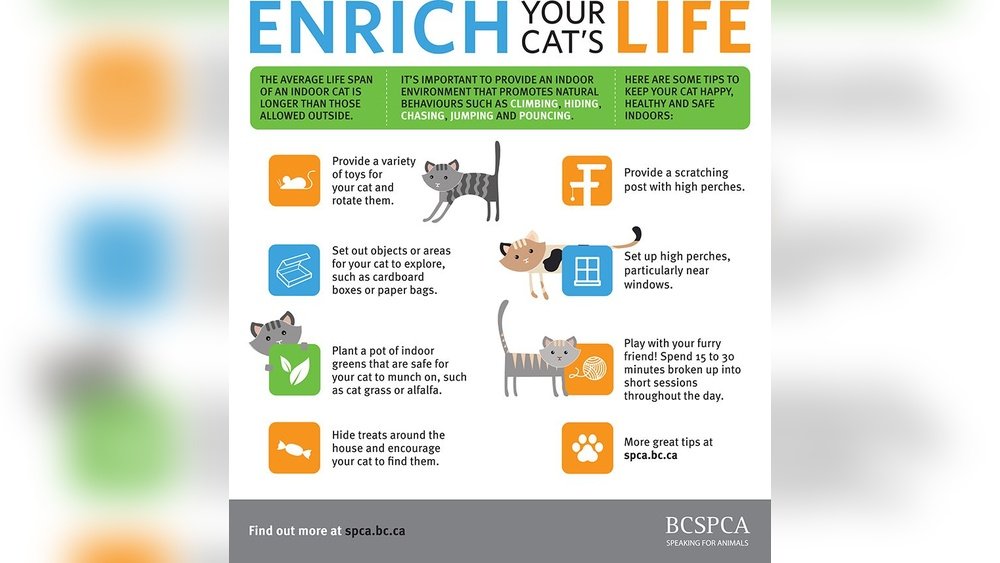
Create simple courses using household items like boxes and tunnels. Arrange them to encourage climbing, jumping, and exploring. Change the layout often to keep it interesting. Obstacle courses stimulate your cat’s curiosity and agility. This exercise challenges their body and brain.
Catnip Bubbles Fun
Blow bubbles infused with catnip oil for a fun twist. Cats love to chase and pop these floating bubbles. It adds excitement and sensory stimulation to playtime. Catnip bubbles are safe and easy to make at home. This activity promotes exercise and laughter for both you and your cat.
Mental Stimulation
Mental stimulation plays a big role in keeping indoor cats happy and active. It helps reduce boredom and prevents unwanted behaviors. Cats are natural hunters and problem solvers. Providing activities that challenge their minds keeps them sharp and entertained.
Indoor cats need more than toys. They need tasks that make them think and explore. Mental games also strengthen the bond between you and your cat. Here are some easy ways to add mental stimulation to your cat’s daily life.
Puzzle Feeders
Puzzle feeders turn mealtime into a fun challenge. Cats must figure out how to get the food. This slows down eating and keeps their brain busy. Puzzle feeders come in many shapes and sizes. Some have compartments or sliding parts. Your cat will enjoy working for their meal and feel more satisfied.
Scent Exploration
Cats use their noses to learn about the world. Offering new scents sparks their curiosity. Try introducing safe herbs like catnip or valerian root. You can also hide small scent items around the house. Let your cat find and sniff them. This activity encourages natural hunting instincts and keeps their mind active.
Training Tricks
Teaching your cat simple tricks is a great way to challenge their brain. Start with easy commands like “sit” or “high five.” Use treats and praise to reward them. Training sessions should be short and fun. This builds confidence and strengthens your relationship. Tricks keep your cat focused and mentally sharp.
Environmental Enrichment
Environmental enrichment transforms an indoor cat’s home into a lively playground. It adds new sights, smells, and challenges. This keeps cats curious and active. Enriched surroundings prevent boredom and stress. They support natural behaviors like climbing, hiding, and observing. Simple changes can make a big difference.
Vertical Spaces
Cats love to climb and perch high above. Vertical spaces give them a safe place to explore. Cat trees, shelves, or wall-mounted steps work well. These spots satisfy their instinct to watch from above. Vertical climbing also helps exercise muscles and reduce anxiety.
Window Perches
Window perches offer views of the outside world. Cats enjoy watching birds, people, and cars go by. These perches can be cushioned for comfort. Position them in sunny spots for warmth. Window views engage a cat’s mind and provide endless entertainment.
Safe Hiding Spots
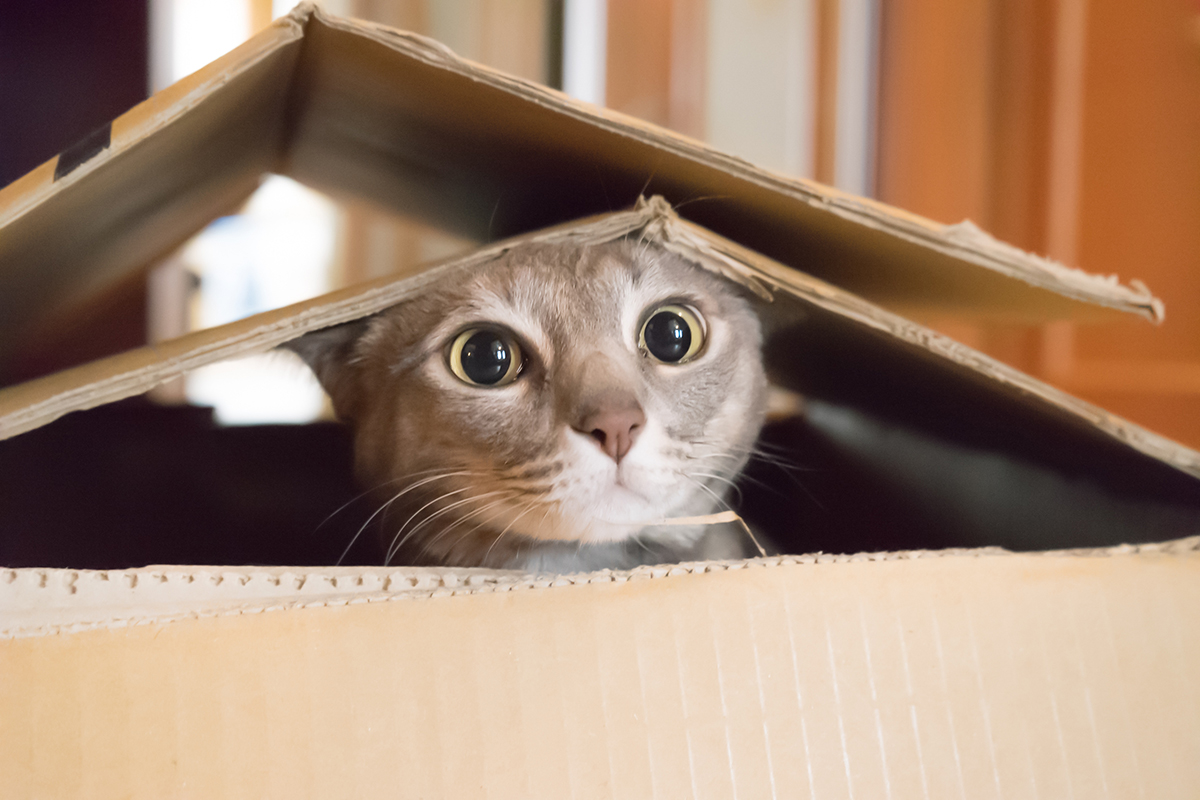
Hiding spots give cats a sense of security. Boxes, tunnels, or covered beds make perfect retreats. Cats use these places to rest or observe quietly. Safe hideouts reduce stress and increase confidence. Change hiding spots occasionally to keep interest high.

Credit: dogcatranch.com
Treat-based Activities
Treat-based activities are great for keeping indoor cats active and happy. These activities tap into a cat’s natural hunting instincts. Cats get to use their minds and bodies to find or earn tasty rewards. This makes playtime more interesting and satisfying for them.
Using treats during play encourages movement and problem-solving. It helps reduce boredom and stress. Treat-based games also strengthen the bond between you and your cat. They create fun moments that your cat looks forward to.
Hide-and-seek Treats
Hide small treats around your home for your cat to find. Start with easy spots, like under a cushion or behind a door. Slowly make the hiding places more challenging. This game stimulates their natural hunting skills and curiosity.
Use different rooms to keep the game fresh. Change the locations often. Your cat will enjoy the mental and physical exercise. It also helps prevent overeating by making treat time more active.
Treat-release Toys
Treat-release toys dispense small snacks as cats play with them. These toys come in many shapes and sizes. They challenge your cat to move and think to get their reward. This keeps them busy for longer periods.
Choose toys that are safe and easy to clean. Rotate toys to keep your cat interested. Treat-release toys reduce boredom and encourage healthy activity. They provide a fun way for your cat to earn their treats.
Safe Toy Choices
Choosing safe toys is key to keeping indoor cats happy and healthy. Toys must entertain and protect your feline friend. Unsafe toys can cause choking or other injuries. Opt for toys designed specifically for cats. This ensures the materials and shapes are pet-friendly. Regularly check toys for wear and tear. Replace any damaged toys to avoid hazards.
Avoid Small Or String Toys
Small toys can easily be swallowed or cause choking. Strings and yarn can wrap around paws or necks, causing injury. These items pose a high risk and should be kept away from unsupervised cats. Instead, choose larger toys that cannot fit fully in your cat’s mouth. Avoid loose strings or parts that can detach.
Use Cat-safe Materials
Select toys made from non-toxic materials. Natural fibers, soft fabrics, and durable plastics are good options. Avoid toys with sharp edges or loose parts. Materials should withstand rough play and chewing. Safe toys support your cat’s health and well-being. They also encourage active, stress-free play.
Calming Sounds
Calming sounds create a soothing environment for indoor cats. These sounds help reduce stress and anxiety. A peaceful atmosphere keeps cats relaxed and happy. Cats can benefit from gentle background noises that mimic natural settings. Sounds can be a simple way to enrich a cat’s indoor life.
Play Soft Music
Soft music can comfort cats and reduce restlessness. Choose gentle melodies with slow tempos and low volume. Classical music or simple piano tunes work well. Playing soft music during quiet times helps cats feel calm. It can also ease separation anxiety if left alone.
Use Nature Sounds
Nature sounds like birds chirping or gentle rain bring the outdoors inside. These sounds engage a cat’s senses in a positive way. They encourage curiosity without overstimulation. Nature sounds can be played from apps or sound machines. Regular exposure helps keep cats mentally balanced.
Social Interaction
Social interaction is vital for indoor cats. It keeps their minds sharp and spirits high. Cats are social creatures that enjoy company and play. Without enough interaction, they may feel lonely or bored. Engaging with your cat regularly helps build trust and happiness. Here are two ways to boost your cat’s social time.
Playtime With Owners
Spend daily time playing with your cat. Use toys like feather wands or balls. Move toys to mimic prey and trigger hunting instincts. Short, frequent play sessions work best for indoor cats. Playtime also strengthens your bond and reduces stress. Always follow your cat’s lead and let them win sometimes. This makes play fun and rewarding.
Introduce Compatible Pets
Consider adding another pet to your home. A well-matched companion can provide social interaction. Cats often enjoy the company of a calm, friendly cat or small pet. Introduce new pets slowly and carefully. Watch their behavior for signs of stress or aggression. Proper introductions help build a peaceful relationship. Two cats playing together can reduce boredom and loneliness.
Credit: www.petsecure.com.au
Frequently Asked Questions
How To Keep An Indoor Cat From Getting Bored?
Keep indoor cats engaged with interactive toys, puzzle feeders, climbing spaces, and window views. Rotate toys and hide treats for mental stimulation. Use cat-safe play items and provide daily exercise to prevent boredom. Avoid small, unsafe toys and unsupervised laser pointers.
What Is The 3-3-3 Rule With Cats?
The 3-3-3 rule with cats means giving them three minutes of play, three types of toys, and three daily interactions. This balances exercise, mental stimulation, and bonding.
Do Cats Get Bored Being Inside All Day?
Cats can get bored indoors without stimulation. Providing toys, climbing spaces, window views, and interactive play keeps them engaged and happy.
How To Stimulate An Understimulated Cat?
Stimulate an understimulated cat with interactive play using wand toys and lasers. Offer puzzle feeders for mental challenges. Provide vertical spaces like cat trees and window views. Rotate toys regularly and introduce new scents such as catnip. Create DIY obstacle courses to engage natural hunting instincts.
Conclusion
Keeping indoor cats entertained takes effort and creativity. Provide toys that encourage hunting and play. Create spaces for climbing and exploring. Use puzzle feeders to challenge their minds. Rotate toys to keep interest fresh. Let cats watch outside from safe windows.
Spend time playing with your cat daily. These simple steps help prevent boredom and stress. Happy cats are active and engaged cats. Small changes bring big joy to your feline friend.