
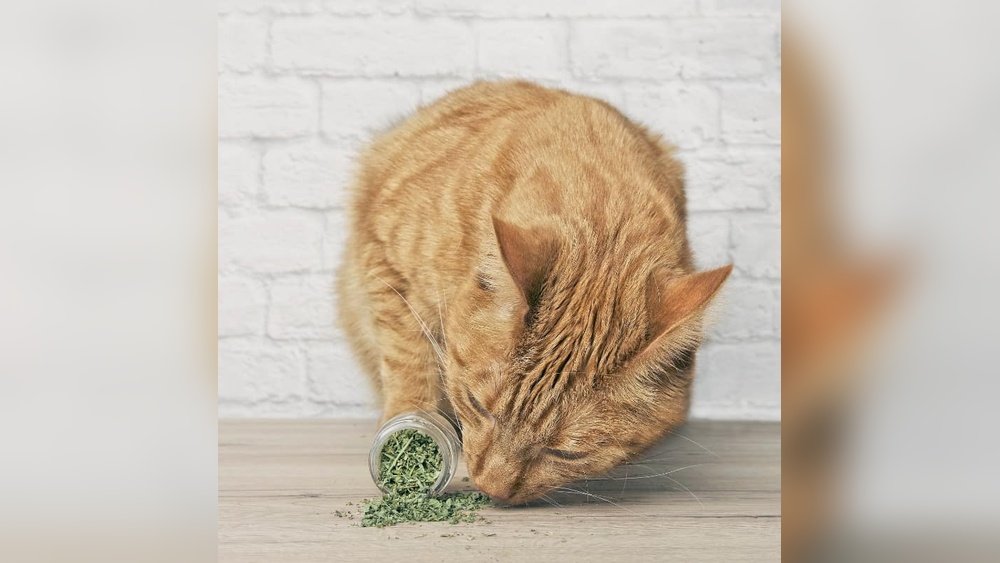
Have you ever noticed your cat suddenly bursting with energy right after a treat? You might be wondering, do cat treats actually make cats hyper?
If your furry friend starts zooming around the room or acting unusually vocal after snack time, you’re not alone. Many cat owners ask this same question because it’s hard to ignore when your calm kitty turns into a playful whirlwind.
You’ll discover why treats can sometimes spark this lively behavior, what ingredients might be responsible, and how you can manage your cat’s treat time to keep things balanced. Keep reading to learn how to enjoy treat moments without the hyperactivity surprises!

Credit: www.kwikpets.com
Cat Treats And Behavior
Cat treats often play a role in changing a cat’s behavior. These small snacks can excite cats and sometimes cause sudden bursts of energy. Understanding how treats affect behavior helps owners manage their pets better. Different ingredients and textures in treats can stimulate cats in various ways. Observing your cat’s reaction after treats provides clues about their effects.
Why Cats Get Hyper
Cats get hyper due to sugar, protein, or fat in treats. These ingredients can boost energy quickly. Some treats have flavors that trigger excitement. The act of receiving a treat itself can cause joy. This excitement can lead to running, jumping, or loud meowing. Treats can also stimulate a cat’s hunting instincts.
Temporary Vs Long-term Effects
The hyperactivity from treats usually lasts a short time. After about 10 to 30 minutes, cats often calm down. Long-term effects depend on treat quality and frequency. Frequent high-sugar treats may cause weight gain or health issues. Good-quality treats support health without negative effects. Balance and moderation are key to avoid problems.
Individual Cat Reactions
Each cat reacts differently to treats. Some cats show more energy, others stay calm. Age, breed, and health influence reactions. Kittens may get more excited than older cats. Sensitive cats might have digestive issues from certain treats. Watch your cat closely to choose the best treats for them.
Ingredients In Cat Treats
Cat treats contain various ingredients that can affect your cat’s behavior and health. Understanding these ingredients helps you choose treats wisely. Some ingredients may cause excitement or even mild hyperactivity in cats. Others might trigger allergies or digestive issues.
Reading the label on cat treats gives you clues about what your cat consumes. Ingredients vary by brand and treat type. Some include additives to enhance flavor or shelf life. Protein content influences energy levels. Potential allergens can cause discomfort or unusual reactions.
Common Additives And Flavor Enhancers
Many cat treats contain additives to improve taste and texture. Examples include artificial flavors, colors, and preservatives. These make treats more appealing but may cause sensitivity in some cats. Additives like monosodium glutamate (MSG) can stimulate the nervous system. This might lead to short bursts of energy or restlessness.
Protein Levels And Energy Boost
High protein content in treats provides cats with extra energy. Cats are natural carnivores and need protein for strength. Treats rich in chicken, fish, or meat powders boost activity. This boost can sometimes appear as hyperactivity or playfulness. Lower protein treats usually have a milder effect on energy.
Potential Allergens And Intolerances
Certain ingredients cause allergic reactions in sensitive cats. Common allergens include dairy, wheat, soy, and certain meats. Allergies may cause itching, digestive upset, or hyperactive behavior. Food intolerances can also affect energy levels and mood. Avoid treats with known allergens to keep your cat calm and healthy.
Treats And Hyperactivity
Cat treats often bring joy and excitement to our feline friends. Some cats show bursts of energy after eating treats. This sudden energy spike leads many to wonder if treats cause hyperactivity. Understanding the link between treats and hyperactivity helps pet owners manage their cats better. Not all treats affect cats the same way. Ingredients and cat temperament play key roles in this behavior.
Let’s explore common questions about treats and their effects on cat energy levels.
Do Treats Cause Zoomies?
Zoomies are quick, random bursts of running or playful behavior in cats. Some pet owners notice zoomies after giving treats. This reaction can happen due to excitement or a sudden rush of energy. Treats with high protein or fat content may boost energy temporarily. However, zoomies usually last only a short time. They are a natural way for cats to release pent-up energy.
Treats alone do not cause constant hyperactivity. Other factors like playtime and environment affect zoomies too.
The Role Of Sugar And Artificial Ingredients
Many cat treats contain small amounts of sugar or artificial additives. These ingredients can affect a cat’s behavior. Sugar may cause a quick energy spike, but cats are less sensitive to sugar than humans. Artificial ingredients like flavor enhancers can make treats more exciting to cats. Some cats react with increased activity or restlessness after eating these treats.
Cats with food sensitivities may show stronger reactions. Choosing treats with natural ingredients helps reduce unwanted hyperactivity.
Highly Palatable Treats And Craving
Highly palatable treats are very tasty and appealing to cats. These treats often contain fats, proteins, and flavor enhancers. Cats may crave these treats and act more eager or energetic when offered. This craving can lead to repeated requests and excitement. Overfeeding such treats might make cats restless or overly active.
Moderation is important to keep your cat calm and healthy. Use treats as rewards, not daily meals.
Health Risks Of Excess Treats
Giving cats too many treats can lead to serious health problems. Treats often contain extra calories, fat, and additives that cats do not need daily. These excess treats can harm your cat’s health in many ways. Understanding these risks helps keep your cat safe and healthy.
Obesity And Weight Gain
Excess treats add extra calories to your cat’s diet. Cats can quickly gain weight if they eat too many treats. Obesity in cats leads to joint pain, less energy, and other health issues. Overweight cats have a shorter lifespan and face more diseases.
Digestive Issues And Vomiting
Too many treats can upset a cat’s stomach. Cats may suffer from diarrhea or vomiting after eating excess treats. Some treats contain ingredients that are hard for cats to digest. Digestive problems cause discomfort and may require veterinary care.
Long-term Organ Strain
High-fat and high-sugar treats put stress on a cat’s organs. The liver and kidneys work harder to process these extra nutrients. Over time, this strain can lead to organ damage or failure. Keeping treats limited protects your cat’s vital organs.
Managing Treat Intake
Managing your cat’s treat intake is key to keeping them calm and healthy. Treats are fun rewards but too many can cause unwanted hyperactivity. Careful control helps prevent behavior issues linked to overeating treats. Let’s explore ways to manage treat consumption effectively.
Setting Treat Schedules
Set specific times for giving treats to your cat each day. Avoid random or frequent treat giving. Stick to a routine so your cat learns when to expect treats. This reduces begging and overexcitement. Limit treats to a small portion of their daily food intake.
Recognizing Treat Addiction
Watch for signs your cat craves treats constantly. Excessive begging, restlessness, or irritability can indicate treat addiction. Your cat may ignore regular meals in favor of treats. If this happens, cut back treats gradually. Replace treat time with play or attention to distract them.
Alternatives To Commercial Treats
Use healthy options instead of store-bought treats. Small pieces of cooked chicken, fish, or plain pumpkin can work well. Fresh treats are less likely to cause hyperactivity. They also avoid artificial ingredients found in many commercial products. Always check with your vet before introducing new foods.
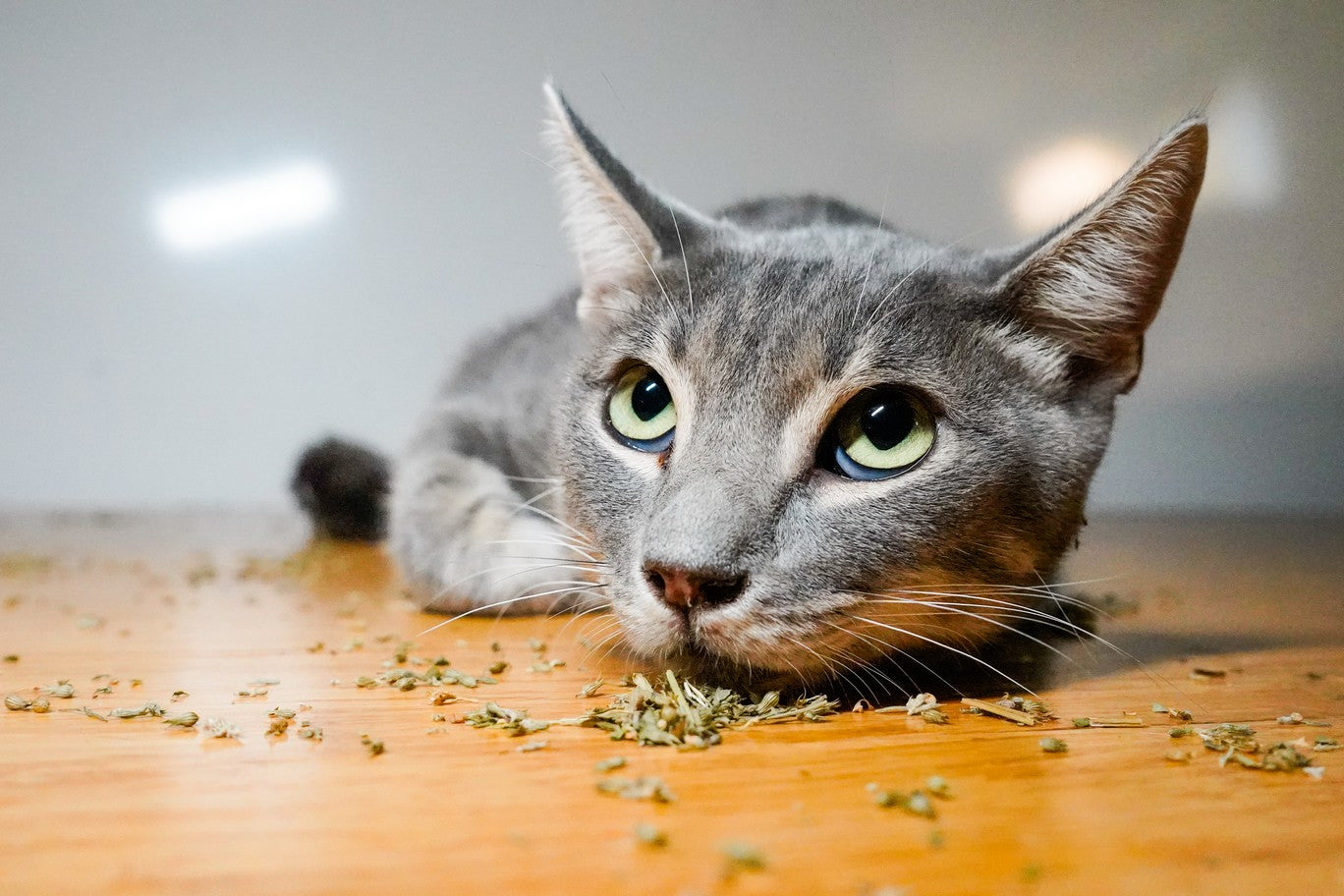
Credit: www.dutch.com
Popular Treats: Temptations And Others
Cats love treats, especially popular brands like Temptations. These treats are often a favorite for pet owners. They come in many flavors and offer a crunchy texture that cats enjoy. Some other brands also compete for attention, offering soft or chewy options. Treats can be a fun way to bond with your cat and reward good behavior.
It is important to understand how these treats affect your cat’s behavior. Some cats may become more active or even hyper after eating certain treats. This section explores why Temptations treats are so tempting, shares real stories from cat owners, and suggests safe treat options for your feline friend.
Why Temptations Are So Irresistible
Temptations treats have a unique mix of flavors and smells. They contain ingredients that appeal strongly to cats’ senses. The crunchy outside and soft inside add to the enjoyment. Cats often find these treats hard to resist. Their taste and texture make cats want more, sometimes leading to quick bursts of energy. Some ingredients may cause a brief spike in activity, but this varies per cat.
User Experiences And Anecdotes
Many cat owners notice changes after giving Temptations treats. Some cats become playful and zoom around the house. Others may meow louder or seem more excited. A few owners report their cats acting hyper and restless. These reactions usually last a short time. Some cats do not show any change at all. Stories from pet forums highlight these varied experiences. It shows that cats respond differently to treats.
Safe Treat Options
Choosing safe treats helps keep your cat calm and healthy. Look for treats with natural ingredients and no artificial additives. Options like freeze-dried meat or simple chicken bites work well. Treats low in sugar and fillers reduce the chance of hyperactivity. Always give treats in moderation to avoid digestive issues. Talk to your vet about the best treats for your cat’s needs. Safe treats support good behavior and overall wellness.
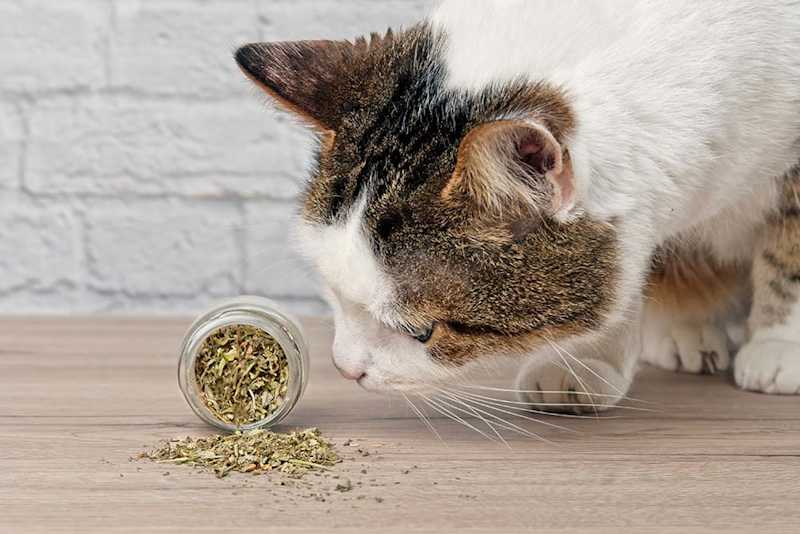
Credit: www.smalldoorvet.com
Frequently Asked Questions
Do Cats Get Hyper After Treats?
Cats may become temporarily hyper after treats due to excitement or high palatability. This behavior usually fades quickly.
What Are The Side Effects Of Cat Treats?
Cat treats can cause allergies, digestive upset, itching, or skin inflammation in sensitive cats. Overfeeding may lead to obesity or hyperactivity. Always monitor your cat’s reaction and feed treats in moderation to avoid side effects.
Do Cat Treats Give Cats Energy?
Cat treats with high protein provide quick energy boosts. They can increase activity temporarily but should not replace balanced meals.
Do Treats Give Cats Zoomies?
Cat treats can sometimes trigger zoomies due to excitement or high palatability. This reaction usually lasts briefly.
Conclusion
Cat treats can sometimes make cats more active or excited for short periods. This reaction depends on the treat’s ingredients and your cat’s personality. Treats high in protein or certain flavors might boost energy briefly. Watch your cat’s behavior and adjust treat amounts as needed.
Avoid overfeeding treats to keep your cat calm and healthy. Remember, treats are a fun addition, not a main food source. Balance and moderation help maintain your cat’s well-being and happiness.